
The Oath of Conscience
What happens when duty conflicts with justice?
“The Oath of Conscience” is a powerful video essay that explores the historic, legal, and moral obligations of soldiers, officers, and federal agents in moments of ethical crisis.
🛡️ This video draws from:
The Nuremberg Principles
The words of Major General Smedley Butler (“War is a Racket”)
Reflections by Howard Zinn and Jean Baudrillard
The universal oath to defend the Constitution of the United States
🎖️ For those who swore an oath — to serve not just a chain of command, but a principle, this is your mirror.
For those who feel alone in doubt — you are not alone.
For those who remember why they put on the uniform — this is your call to return to it.
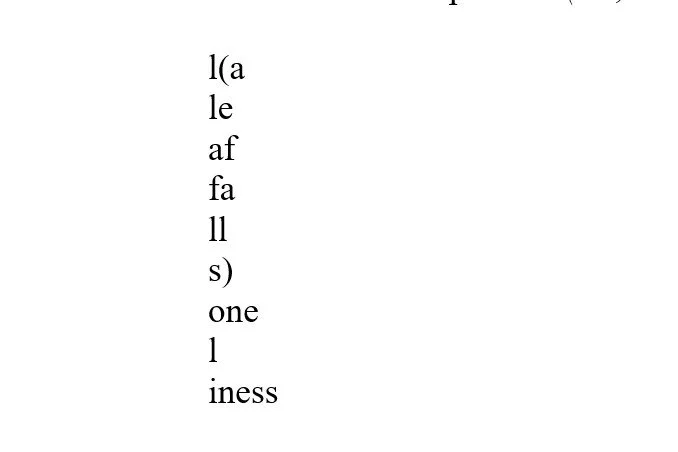
E.E. Cummings, Cognitive Design, and Our Fiduciary Duty to an Informed Public
When E.E. Cummings scattered his words across the white page, he was designing an experience. His typography, spacing, and rhythm made meaning visible. Letters fell like rain, words collided and separated, and the quiet page space between them shared as much literary load as the language itself.

The Fork in the River: Independence and the Balance of Power
Every river, no matter how vast, depends on balance. Too many dams and the waters stagnate; too few and it floods the valley. Within a labor organization, that balance is maintained through segregation of duties, independence in oversight, and mutual respect between union staff and the elected executive board.
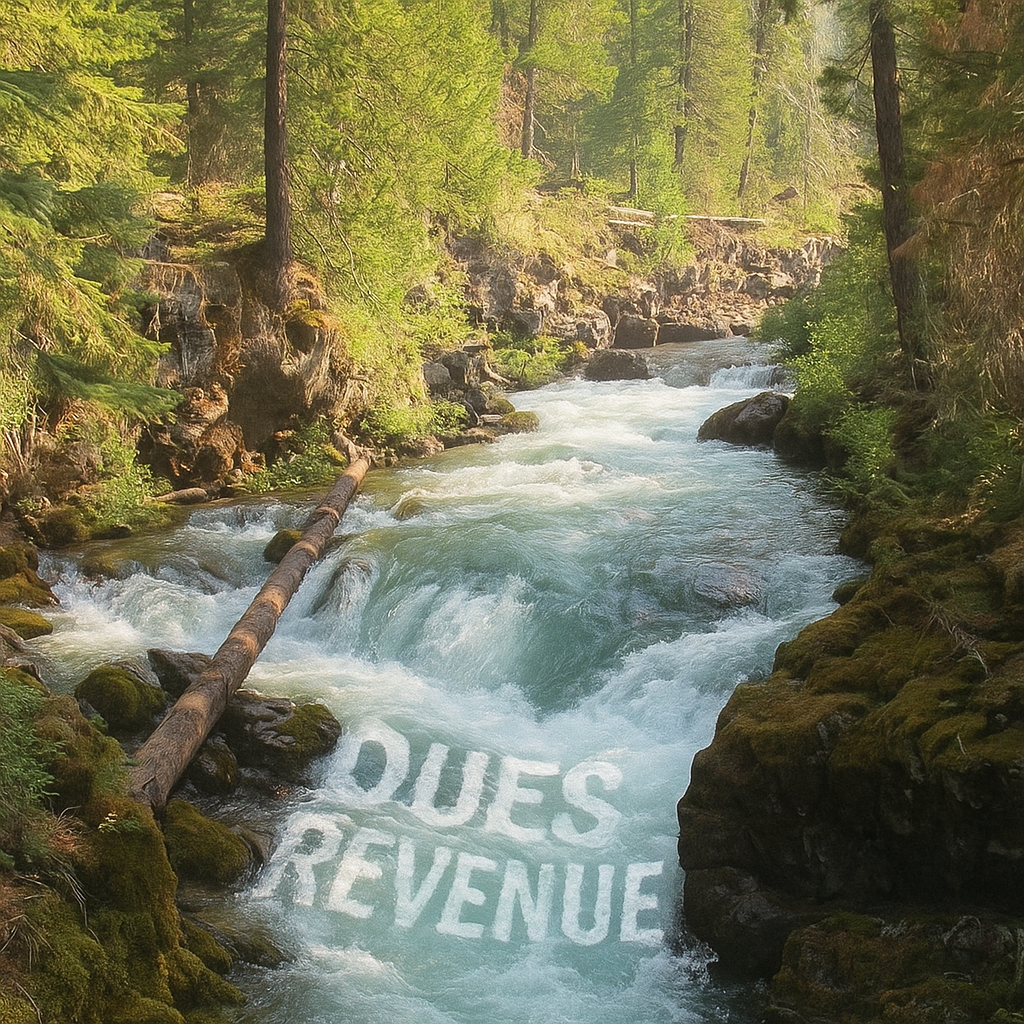
The Treasurer’s Watch: Audits as Guardians of the River
A river is only as strong as the guardians who watch its flow. Within a labor organization, the Treasurer plays this role. The Treasurer is not simply a record keeper, nor a passive observer of staff accounting. They are the member-elected, independent steward of the current, tasked with conducting audits that ensure the river of dues revenue remains clear, lawful, and aligned with the course set by General Council.