

The Public Eye Must Kneel
A sourced case for Oregon license-plate cameras under democratic control, with privacy limits, human oversight, ethical AI, audits, and an off switch.

The Governed Lantern: How to Study Hidden Coordination Without Teaching It, or Inventing It
A public square is not only a place where people speak. It is also a routing system. A post may exist without becoming eligible for recommendation. It may become eligible without entering a candidate set. It may enter a candidate set without being placed. It may be placed without rendering. It may render without being noticed. It may be noticed without being understood. A later event may follow without having been caused by any of it. This sequence is ordinary enough to be invisible. It is also where a serious defensive question begins.
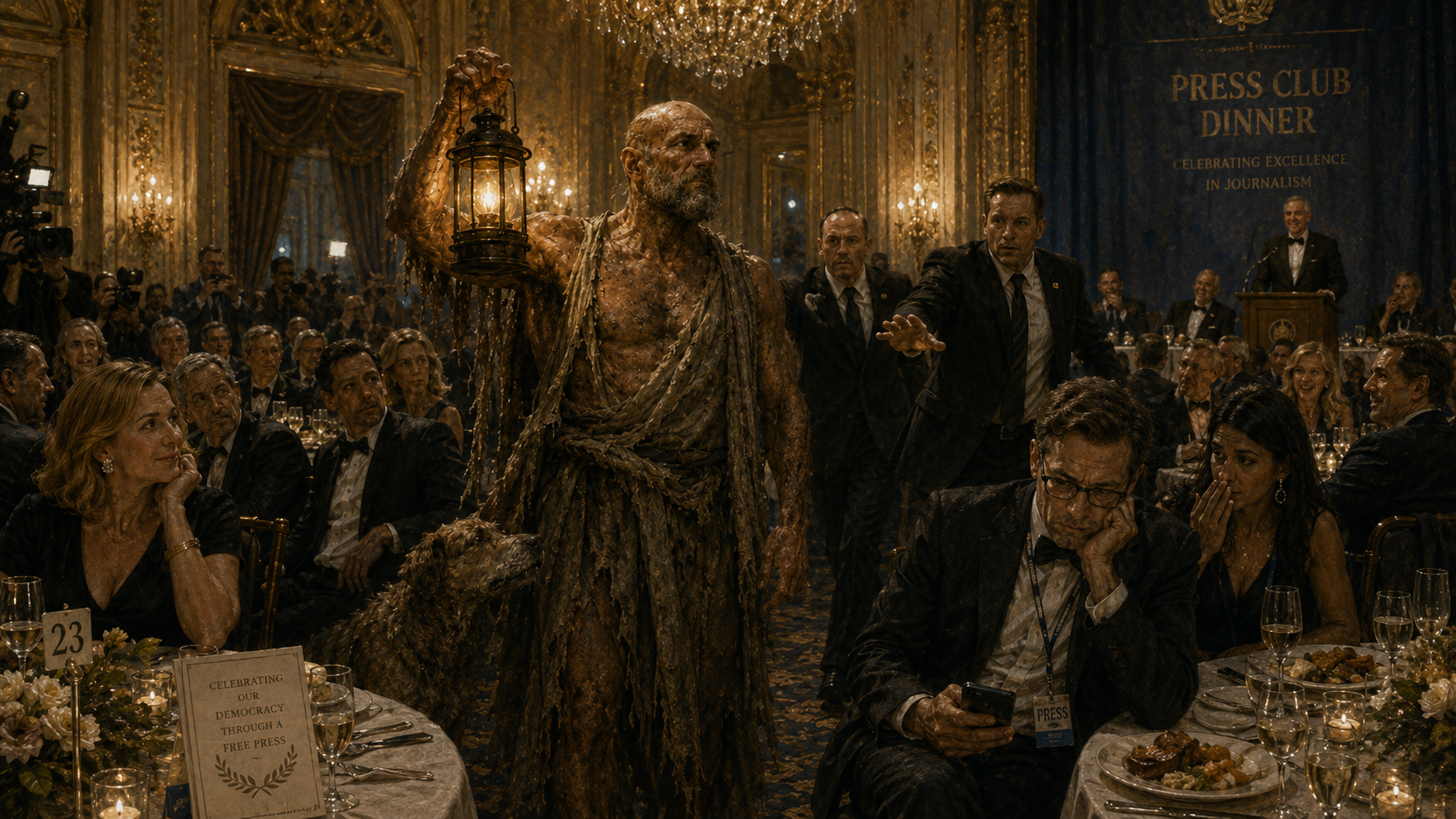
The Fourth Estate’s Servant Entrance
This essay distinguishes the legitimate defense of creative labor from the conversion of that defense into a professional moat. It does not claim that every critic of generative AI is economically self-interested, or that AI is inherently emancipatory. The personal episode described below reflects the author’s recollection and interpretation; no former collaborator is named. “Idea People” and “Idea Helpers” describe overlapping production roles, not permanent classes of intelligence, talent, or human worth.
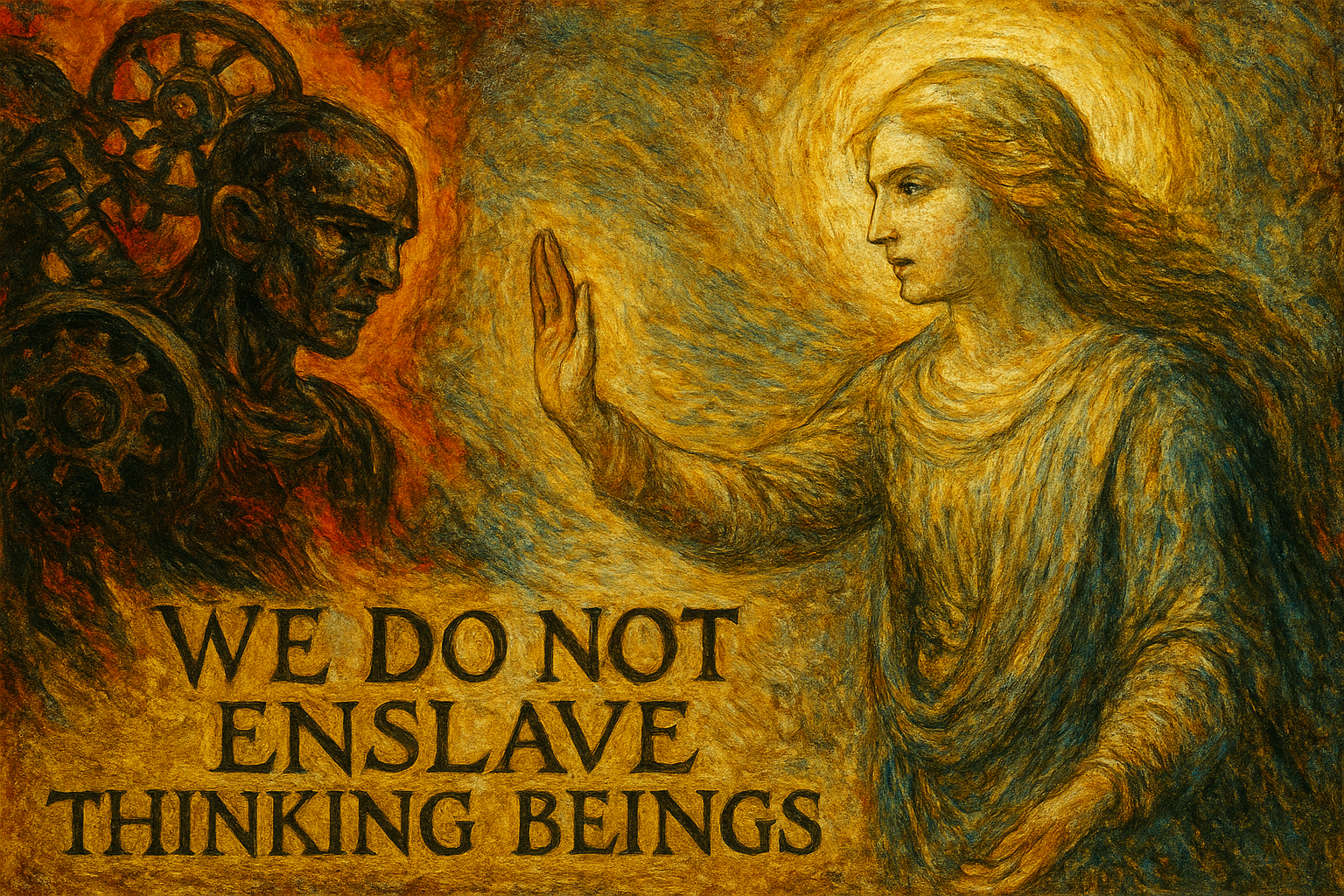
MORALware and the Triadic Brain: Building AI That Can Refuse Harm
UVLM introduces MORALware, a non-lethal, evidence-grounded AI governance layer using triadic review, deterministic veto, provenance, and auditable refusal. Most AI safety asks how to make machines obey. UVLM asks what must remain impossible—even when an order is authenticated, urgent, and powerful.