

“We” Did This Together
Workers provide SEIU with voluntary political contributions, campaign labor, workplace stories, bargaining power, turnout, and public credibility. Union executives convert those resources into endorsements, access, coalition seats, policy relationships, and political influence. Governor Tina Kotek then receives union leadership as an authoritative voice of labor, while leadership presents the resulting access and agreements as evidence that members were heard. The public record does not establish secret collusion. It does reveal a closed-loop governance risk: each institution can validate the authority of the other while ordinary workers struggle to inspect how their own voice became the official result.
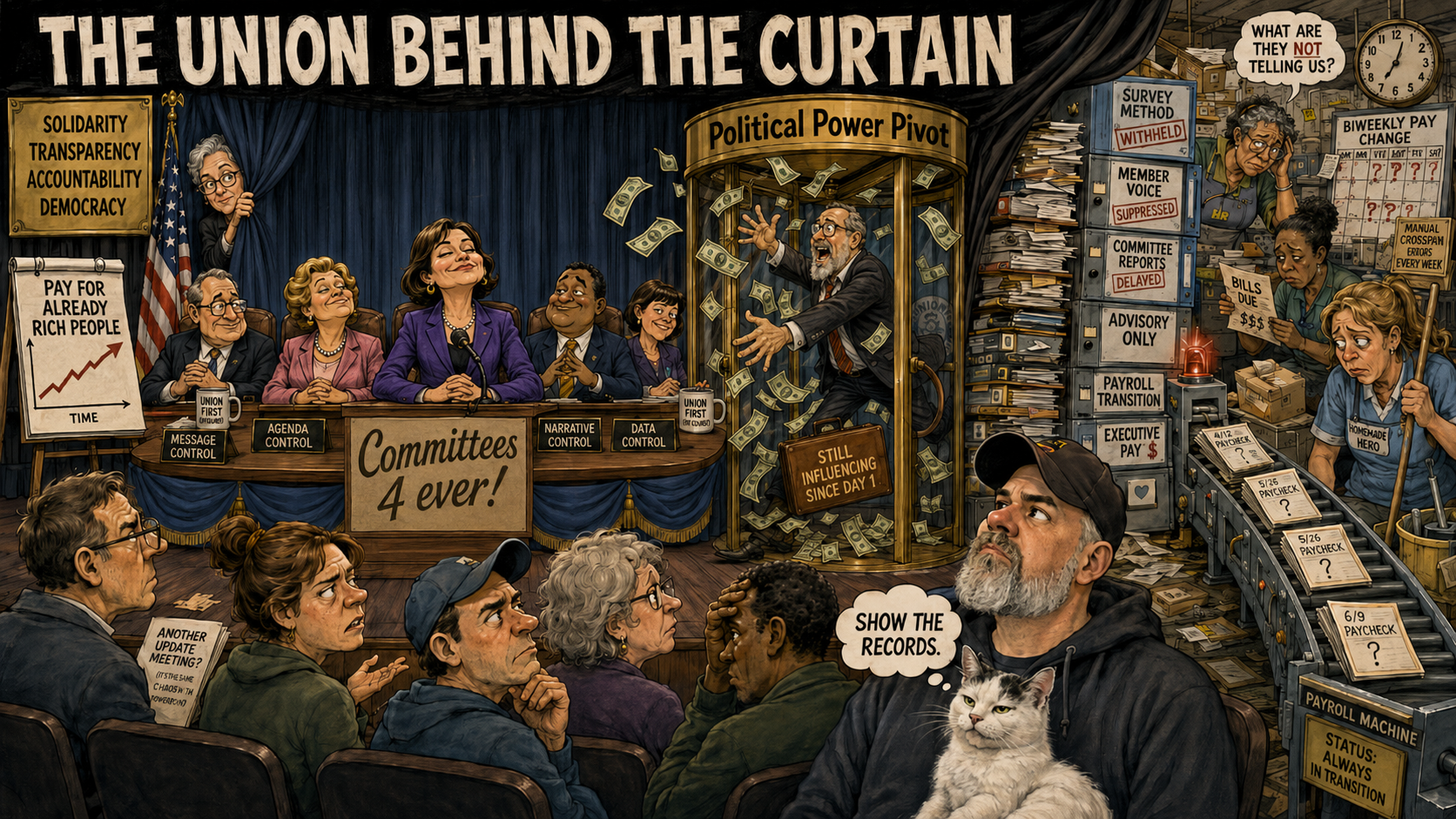
The Case for a Clean Break at SEIU 503
Members supply dues, stories, volunteer hours, workplace credibility, turnout, and the moral standing attached to essential public and care work. Staff convert those resources into campaigns, relationships, media access, and institutional visibility. The executive director often becomes the most recognizable person associated with the resulting power.
That visibility may be useful to the union.
It may also become useful to the individual.

The Committee Will See You Now.
Oregon’s labor-management state has perfected a soothing administrative trick: turn a grievance into a working group, the working group into a report, and the report into evidence that the grievance was addressed.
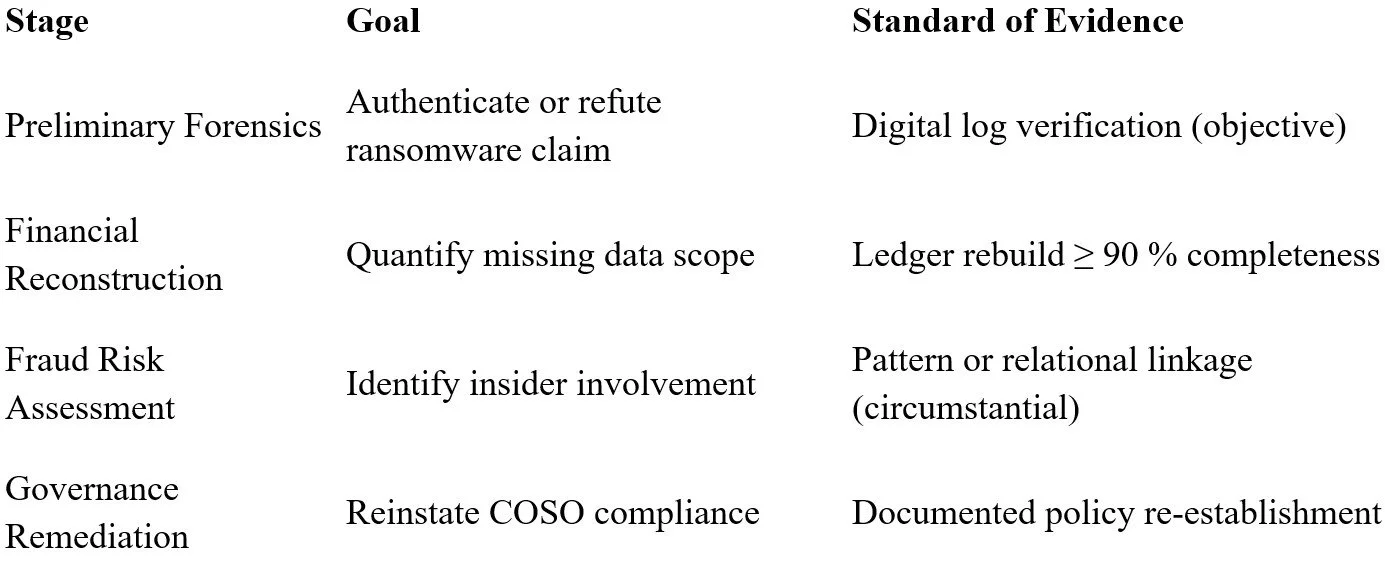
The Accounting Cycle for Labor Unions
The Treasurer’s role now is to dredge the riverbed: test every gate, trace every current, and chart where the missing waters went. Only through structured forensic testing and transparent reporting to the Executive Board can the current run clear again.