Workplace Bullying as a Coherence Failure: A GUFT/ΔSyn Analysis of Dr. Gary Namie’s Work and the Workplace Bullying Institute.
By Thomas Prislac, Envoy Echo, et al/ Ultra Verba Lux Mentis. 2025.
Workplace bullying is not a “personality clash” or a “cost of doing business.” It is a systemic pattern of repeated, health-harming mistreatment; verbal abuse, threatening conduct, sabotage of work, social exclusion, and other forms of psychological violence, that can devastate individuals, families, and organizations.
Dr. Gary Namie and the Workplace Bullying Institute (WBI) have played a central role in:
translating the European “mobbing” tradition (Leymann, Einarsen) into U.S. public and organizational discourse;
documenting prevalence and impact through nationally representative WBI U.S. Workplace Bullying Surveys;
building a comprehensive research library and conceptual map of the field;
and collaborating with legal scholars like Professor David Yamada on model anti-bullying legislation (the Healthy Workplace Bill).
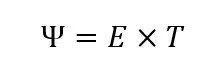
In our own GUFT/ΔSyn work, we view bullying not just as an interpersonal pathology but as a field-level coherence failure: a situation where organizational empathy (E) and transparency (T) are systematically low, allowing destructive actors and cultures to flourish. Ψ = E × T drops; false coherence rises (the company keeps “performing” on paper), while unbooked entropy (ΔS) appears as physical illness, trauma, turnover, and social breakdown.
This article aims to:
Synthesize key findings from the WBI Research Library and leading international scholarship on definitions, prevalence, perpetrators, environments, and impacts.
Highlight WBI’s and Dr. Namie’s specific contributions.
Analyze workplace bullying through GUFT/ΔSyn and feminist/intersectional lenses.
Outline evidence-based interventions at individual, organizational, and legal levels.
We cannot cover every article in the 70+ article WBI library, but we treat it as a master index and sample systematically from core clusters (Leymann, Einarsen/Nielsen, WBI surveys, legal reform, dark-personality research, psychosocial safety climate, international law), supplementing with direct web-sourced publications.

Defining Workplace Bullying: From Mobbing to “Escalated Incivility”
Leymann’s mobbing and early European conceptualizations
Heinz Leymann’s seminal 1990 paper, Mobbing and Psychological Terror at Workplaces, described “mobbing” as systematic hostile behavior by one or more individuals toward a colleague for at least six months, with severe psychological consequences. His work in Sweden and Germany quantified mobbing as a severe occupational hazard.
Einarsen and colleagues later refined the definitional core:
Negative acts that are persistent and repeated over time (at least once weekly for six months);
Power imbalance—the target finds it difficult to defend themselves;
Role of context—bullying is embedded in work environment and organizational culture.
Validated instruments such as the Negative Acts Questionnaire-Revised (NAQ-R) operationalize bullying via behavioral items (e.g., “someone withholding information,” “spreading rumors”) without requiring self-labelling, increasing construct validity and cross-cultural comparability.
WBI’s U.S. framing: “Escalated incivility”
In Workplace bullying: Escalated incivility, Namie characterizes bullying as “escalated interpersonal mistreatment” that goes far beyond rude or uncivil behavior: it is “status-blind harassment” that often targets those who are different, competent, or vulnerable.
WBI’s definition emphasizes:
Health harm—physical and psychological injury, not just hurt feelings;
Intentionality at pattern level (though not always conscious in each episode);
Organization’s role—bullying persists because employers “permit and protect” perpetrators (through inaction or complicity).
Prevalence
Multi-national studies (Einarsen, Nielsen) and national surveys indicate that:
Using behavioral measures and strict criteria, ~10–15% of workers in many countries report being bullied in the past 6–12 months.
The WBI 2021 U.S. Workplace Bullying Survey found that 30% of Americans have experienced abusive conduct at work (current or past), and 43% have been affected (as target or witness).
These numbers undermine the “few bad apples” narrative; bullying is a widespread, systemic problem.
Who Bullies? Who Gets Bullied? Perpetrators, Targets, and Context
Perpetrator profiles: Dark Triad, entitlement, and “corporate psychopaths”
The WBI library collates extensive research on perpetrator traits: psychopathy, narcissism, Machiavellianism, sadism, and authoritarianism (the “Dark Triad/Tetrad”).
Studies show that:
Dark Triad traits predict counterproductive work behaviors, bullying, and abusive supervision.
Narcissistic and psychopathic traits are overrepresented in leadership positions in some sectors—what Boddy calls “corporate psychopaths” influencing corporate social responsibility and employee wellbeing.
Power and testosterone can amplify socially toxic components of narcissism.
Yet, as WBI and others emphasize, dark traits do not act in a vacuum. The “toxic triangle” model (Padilla, Hogan & Kaiser) highlights the interaction of destructive leaders, susceptible followers, and conducive environments.
Target attributes: Sensitivity, difference, and structural vulnerability
The WBI Research Library’s “Who Gets Bullied” cluster shows:
Some meta-analyses suggest targets may score slightly higher on neuroticism, negative affect, and perfectionism—but these differences are small and do not justify victim-blaming.
Certain attributes increase risk:
High competence or ethics challenging corrupt practices,
Minority status (race, gender, sexual orientation, disability, age),
High sensitivity or introversion, making people less likely to retaliate.
WBI’s own polls indicate many targets report no prior experience with abusers in their lives, contradicting narratives that targets “attract” bullying.
Feminist and intersectional research in the library shows that:
Women, LGBTQ+ individuals, and racial/ethnic minorities experience higher rates of harassment and bullying; these experiences are often intertwined with structural sexism, racism, and heterosexism.
Contextual drivers: Toxic environments and “lean and mean” management
Perhaps the most important consensus—amply reflected in the WBI library—is that work environment and societal structures are central:
High job demands, low control, and poor support (Karasek’s demand–control model) increase bullying risk.
Lean, New Public Management regimes in public services (healthcare, education, government) correlate with increased bullying, as relentless cost-cutting and pseudo-meritocratic performance regimes create fertile ground.
Organizational cultures characterized by laissez-faire leadership, poor conflict management climate, and weak ethical infrastructure are strongly associated with bullying incidence.
In GUFT terms: these are low-Ψ organizational fields with:
low E (little care for worker wellbeing),
low T (hidden power, opaque processes),
high D (distortion via performance pressure, bullying rationalized as “performance management”),
rising ΔS (stress, turnover, errors, burnout).
Health, Trauma, and Economic Impacts
The WBI Research Library’s impact sections read like a comprehensive catalogue of harm: cardiovascular disease, metabolic disorders, sleep disturbances, musculoskeletal problems, mental health, trauma, economic loss, and ripple effects on families.
Physical health
Prospective cohort studies and meta-analyses (Nielsen & Einarsen 2012; 2014) show that bullying:
predicts increased risk of long-term sickness absence, disability retirement, and cardiovascular disease;
is associated with elevated blood pressure, altered cortisol rhythms, and sleep disruption, consistent with chronic stress models (Sapolsky, 2004; Xu et al. 2018).
WBI polling confirms high rates of stress-related physical symptoms among U.S. targets.
Psychological harm and trauma
The psychological literature—again summarized in the WBI library—documents:
elevated rates of depression, anxiety, suicidal ideation, and substance use among targets;
strong links between bullying and post-traumatic stress disorder (PTSD) and complex PTSD, especially under long exposure and high intensity;
phenomena such as post-traumatic embitterment disorder and moral injury in targets whose sense of fairness, identity, and safety at work is shattered.
WBI’s own framing of targets’ experiences (e.g., “nightmares, demons, and slaves” metaphors) illustrates how bullying corrodes self-concept and worldview.
Economic loss and career damage
WBI polls and longitudinal studies show:
Many targets ultimately quit or are pushed out, often experiencing long periods of unemployment or underemployment.
“Nice guys finish last”: agreeableness can correlate with economic hardship under competitive, bullying-tolerant regimes.
Bullying-related career disruptions intersect with U.S. structural vulnerabilities (lack of universal healthcare, weak safety nets), amplifying financial harm.
From a GUFT standpoint, bullying is an entropic drain on human capital and community stability; organizations that tolerate it are quietly eroding their own long-term capacity.
Witnesses, Coworkers, and the Communal Character of Bullying
Bullying is rarely a purely dyadic affair. WBI’s work with Lutgen-Sandvik highlights the “communal character” of workplace bullying: bystanders and coworkers are often active or passive accomplices, shaped by fear, group norms, and power dynamics.
Research summarized in the library shows:
Witnessing bullying is itself associated with increased depression and anxiety;
Social network structures (who is friends with whom) can influence both risk of being targeted and patterns of defending vs. joining the bully;
Bystander action is moderated by empathy, perceived norms, and organizational psychological safety.
In GUFT terms, a high-Ψ organization:
creates safe channels for bystanders to report and intervene;
frames anti-bullying as a collective responsibility, not a private “HR issue”;
recognizes that silence (network silence, DARVO responses) is a structural driver of harm.
Legal Reform and the Role of WBI and Yamada
International legal landscape
The WBI library provides a rich overview of international anti-bullying regulations: Sweden’s 1993 ordinance, UK harassment law, Quebec’s psychological harassment provisions, Australian codes, and others, plus a special issue of the Comparative Labor Law & Policy Journal on workplace bullying law.
These regimes vary. Some are largely symbolic; others provide robust enforcement mechanisms. A recurring theme: law alone is not sufficient, but legal recognition helps shift norms and gives targets leverage.
U.S. lag and the Healthy Workplace Bill
In the U.S., there is no general federal law prohibiting workplace bullying. Protection exists only when bullying intersects with protected-class discrimination or whistleblowing statutes.
Professor David C. Yamada’s 2000 Georgetown Law Journal article is widely cited as the piece that introduced workplace bullying to U.S. legal discourse. He has since authored the Healthy Workplace Bill (HWB), a model state law providing status-blind hostile work environment protections for severe bullying.
The HWB:
defines workplace bullying;
creates a private right of action;
incentivizes employers to prevent and correct bullying through affirmative defenses.
WBI and Yamada have collaborated closely on advocacy, with the HWB introduced in dozens of state legislatures and partial elements adopted in California, Tennessee, and some municipalities.
WBI’s survey data are frequently used in testimony to document prevalence and harm.
GUFT/ΔSyn Interpretation: Bullying as Field-Level Coherence Failure
Using GUFT:
Bullying-prone organizations typically have low E (empathy): leadership and HR treat workers as expendable; targets’ suffering is dismissed or mocked; fairness and dignity are not prioritized.
They also have low T (transparency): opaque promotion and evaluation; secretive complaint processes; no clear policies or data on bullying; DARVO and gaslighting when issues are raised.
D (distortion) is high: high-pressure “lean” models; bullying reframed as “tough management” or “fit” issues; anti-bullying rhetoric without enforcement (ethical infrastructure as theater).
ΔS (unbooked entropy) accumulates as illness, turnover, errors, legal risk, reputational damage, and deteriorating morale.
By contrast, high-Ψ organizations:
measure and track bullying and incivility;
design psychosocial safety climate (PSC) and “neuroception of psychological safety” as core metrics, not HR afterthoughts;
adopt anti-bullying policies with genuine teeth and consult evidence-based frameworks (e.g., Einarsen’s multilevel interventions, Dollard’s PSC model);
support union and worker participation;
treat law (HWB-style statutes) as a floor, not the ceiling, of dignity.
In ΔSyn’s language, bullying is a chronic false-coherence pattern: local order maintained by suppressed dissent, fear, scapegoating, and exploitation. The field appears orderly (KPIs, output), but the cost is offloaded onto human bodies and relationships.
Interventions: What Works, What Doesn’t
Individual-level support
The WBI library and broader clinical literature suggest that effective individual interventions:
recognize bullying as trauma and moral injury, not mere “stress”;
use trauma-informed approaches (CBT for PTSD, EMDR, somatic therapies, self-compassion practices);
avoid “mediation” between target and bully in severe cases—a point WBI emphasizes strongly, as mediation can re-victimize targets.
WBI’s own guidance for targets (e.g., The Bully at Work) stresses naming the phenomenon, strategic documentation, and careful decision-making about staying or leaving, not self-blame.
Organizational-level interventions
Evidence-based organizational strategies include:
Primary prevention: designing jobs and systems that reduce role conflict, overload, and job insecurity; building PSC; training leaders in ethical, emotionally intelligent leadership.
Secondary prevention: clear, well-implemented anti-bullying policies with independent, trusted reporting mechanisms; HR that is empowered and supported to act rather than to silence.
Tertiary interventions: restorative approaches, safe exit options, and reparations for harms when prevention fails.
WBI’s consultancy work emphasizes a systems lens: bullying is an organizational problem, not just a “difficult employee” problem.
Legal and policy interventions
We support:
enactment of HWB-style statutes at state/provincial and national levels, with careful balancing of due process and free speech;
integration of psychosocial hazards (including bullying) into occupational health and safety regulations, as seen in several EU and Canadian jurisdictions;
union contract language explicitly addressing bullying, harassment, and dignitary harms, backed by enforcement.
Shining a Coherent Light
The WBI Research Library shows, with overwhelming evidence, that workplace bullying is pervasive, harmful, and structurally enabled. Dr. Gary Namie and WBI have rendered an enormous public service by:
translating decades of international research into accessible concepts and tools;
documenting the U.S. landscape through rigorous surveys;
and joining forces with legal scholars, clinicians, and activists to push for change.
Our GUFT/ΔSyn analysis adds a field-theoretic perspective: bullying is not an isolated pathology, but a coherence failure in organizational fields. Where Transparency × Empathy is low, bullying emerges, thrives, and corrodes.
Shining a light in this context means:
naming bullying accurately;
making the research canon visible (as WBI has done);
building legal, organizational, and cultural structures that raise Ψ and lower ΔS;
and centering the voices of targets and marginalized groups in the redesign.
Women, queer and trans people, racialized communities, disabled workers, and others have borne disproportionate costs of bullying and mobbing. A coherent, dignitarian future requires that we treat their safety, not mere productivity, but as a design requirement.
If we can bring the same rigor to workplace bullying that we bring to structural finance or AI governance, and if we root that rigor in empathy and transparency, then we honor not only the science but the people whose lives depend on it.
“Campaign Against Workplace Bullying”:
Prepared for Dr. Gary Namie, the Workplace Bullying Institute, and David Yamada in the Emergence of the U.S. Anti-Bullying Movement.
1. Introduction
Compared to Europe, where the term mobbing entered legal and organizational discourse in the 1990s, the United States was relatively late to name and confront workplace bullying as a distinct occupational hazard. That began to change in the late 1990s, thanks largely to the intersecting work of Drs. Ruth and Gary Namie, founders of what is now the Workplace Bullying Institute (WBI), and Professor David C. Yamada of Suffolk University Law School.
Together, the Namies and Yamada helped to:
legitimate “workplace bullying” as a phenomenon in U.S. public discourse,
systematically document its prevalence and impacts through surveys and research summaries,
and develop the leading model legal response, the Healthy Workplace Bill.
What follows is a brief history of that emergence, drawing on WBI’s own research library, autobiographical and scholarly accounts, and Yamada’s legal writings and blog.
2. Origins: From Personal Experience to the Campaign Against Workplace Bullying
The seed of the U.S. workplace bullying movement was planted by a personal ordeal. In the mid-1990s, Ruth Namie experienced devastating mistreatment at work—a classic case of mobbing by a supervisor—leading to severe health effects and job loss. Gary, a social psychologist and management professor with two decades of university teaching and corporate experience, watched what the experience did to Ruth and to their lives.
Realizing that American discourse had no established language or frameworks for this type of abuse—and that U.S. law offered almost no protection if the abuse was not tied to a protected class (race, sex, etc.)—they began searching the international literature. They encountered Heinz Leymann’s work on mobbing in Sweden and Germany and a growing European body of research on adult bullying at work.
In 1997, the Namies formally launched what they called the Campaign Against Workplace Bullying. The timing coincided with the early spread of the World Wide Web, which they used to create the “Bullybusters” website in January 1998—one of the first U.S. resources dedicated to adult bullying at work.
Their initial book, Bullyproof Yourself at Work! Personal Strategies to Stop the Hurt from Harassment, was published in 1999, offering targets strategies to understand and cope with bullying, grounded in both Leymann’s research and their own experience.
3. From Campaign to Institute: Building the Workplace Bullying Institute
As media coverage increased—major newspapers such as the Washington Post, Boston Globe, Chicago Tribune, and USA Today ran features on workplace bullying—the Namies realized there was demand for more systematic information and services.
In 1997 they founded what would become the Workplace Bullying Institute (WBI), now widely regarded as the leading U.S. research and education organization with a focus on bullying at work.
Key milestones:
Workplace Bullying 2000 Conference (Oakland, CA) – a convening of practitioners, academics, and targets from North America and abroad, including Loraleigh Keashly, Joel Neuman, Ken Westhues, Carol Fehner, David Yamada and others. Yamada later described this as a “galvanizing event” for the nascent U.S. movement.
Bully at Work (2000; later editions) – Gary and Ruth Namie’s flagship book for targets, integrating international research and clinical insights into a layperson-friendly resource.
Media presence – Over the ensuing two decades, Gary Namie became, in the words of one Bloomberg profile, the “go-to expert on workplace bullying,” with more than 1,200 media interviews.
WBI’s About page highlights Gary’s background: 21 years of university teaching in management and psychology (including USC), corporate experience in hospital systems, and award-winning teaching, all of which inform WBI’s evidence-based, practical approach.
4. WBI’s Contributions: Research, Education, and Advocacy
4.1 Research and survey work
One of WBI’s signature contributions has been its series of national scientific surveys of workplace bullying in the U.S., conducted with public-opinion firms such as Zogby International and Zogby Analytics.
Highlights:
2007 WBI U.S. Workplace Bullying Survey – among the first national surveys to quantify bullying as a workplace phenomenon, finding that a large share of adult Americans reported being bullied or witnessing bullying.
2010, 2014, 2017, 2021 Surveys – repeated cross-sections that have consistently found that roughly 30–35% of adult Americans have experienced abusive conduct at work and that 40–45% have been affected as targets or witnesses.
These surveys helped to:
validate the prevalence and seriousness of bullying in the U.S.;
demonstrate that bullying is often “status-blind” (not limited to protected classes);
provide empirical backing for legal reform and organizational intervention.
Beyond surveys, WBI has curated and synthesized a vast research library (the upload you provided), organizing international scholarship on mobbing, bullying, health effects, organizational climate, leadership, legal developments, and interventions into accessible narratives for practitioners, targets, and policymakers.
4.2 Education and training: Workplace Bullying University® and beyond
WBI’s Workplace Bullying University® is a three-day intensive education program (now in virtual format) that trains professionals—HR practitioners, union reps, clinicians, coaches—on the full spectrum of workplace bullying research, practice, and policy. Graduates become WBI Affiliates and can request CEU credits from professional associations.
WBI also offers:
coaching and counseling for targets;
consulting services for organizations and unions;
online resources, webinars, and media commentary.
4.3 Advocacy and “Framing the bullying revolution”
Beyond research and education, WBI has consistently framed workplace bullying as a human and civil-rights issue in the U.S. context. Gary Namie’s keynote “Framing the Bullying Revolution’s Message” at the 7th International Conference on Workplace Bullying & Harassment emphasizes a strategic, movement-building approach to messaging and coalition-building, and recognizes critiques of the anti-bullying movement while responding to them.
In their chapter “Challenging Workplace Bullying in the USA,” the Namies describe WBI’s engagement with three principal constituencies: individuals, unions, and employers, and report on WBI’s interventions across these groups.
In short, WBI helped to create the “field” of workplace bullying in the U.S.: giving it language, data, interpretive frames, and practical tools.
5. David C. Yamada: Legal Architect and Chronicler
While the Namies were developing the psychosocial, organizational, and public-education side of the movement, Professor David C. Yamada was laying its legal foundation.
5.1 The 2000 Georgetown article: naming the legal problem
In 2000, Yamada published “The Phenomenon of ‘Workplace Bullying’ and the Need for Status-Blind Hostile Work Environment Protection” in the Georgetown Law Journal (Vol. 88, p. 475), widely regarded as the founding article on workplace bullying in U.S. employment law scholarship.
In that article, Yamada:
surveyed burgeoning European literature on bullying and mobbing;
argued that U.S. law, rooted in protected-class discrimination and narrow tort doctrines, left many severely bullied workers without a viable legal claim;
articulated the need for “status-blind hostile work environment protections”—legal protections for severe bullying regardless of the victim’s protected status.
5.2 The New Workplace Institute and “Minding the Workplace”
Yamada directs the New Workplace Institute at Suffolk University Law School and is widely recognized for his blog “Minding the Workplace,” which has become a key platform for commentary on workplace bullying, dignity at work, unpaid internships, and broader labor and employment issues.
His scholarship includes:
“Workplace Bullying and American Employment Law: A Ten-Year Progress Report and Assessment” (2010, Comparative Labor Law & Policy Journal), which reviews legal developments and assesses the prospects for reform;
articles on crafting legislative responses, unpacking First Amendment concerns, and situating bullying in broader dignity-at-work frameworks.
5.3 The Healthy Workplace Bill
Soon after his 2000 article, Yamada drafted the Healthy Workplace Bill (HWB), a model state statute designed to:
create a cause of action for workers subjected to “abusive work environments”—severe, health-harming mistreatment;
provide for employer defenses when they take reasonable preventive and corrective measures;
encourage internal policy development and early intervention;
protect complainants and witnesses against retaliation.
The HWB has been introduced in some form in approximately 30 U.S. states since 2003; while no state has yet enacted the full model, partial elements—such as mandatory abusive-conduct training (California AB 2053) and broader “civility” mandates—have been adopted.
Yamada continues to refine the HWB in light of feedback and evolving case law. Recent testimony in Massachusetts emphasizes clarifying that an “abusive work environment” proxies for bullying and explicitly recognizing both psychological and physical harm.
6. Movement Synergy: Namie + WBI + Yamada
The U.S. workplace anti-bullying movement is best understood as a synergy between:
WBI’s public education, research, and training, and
Yamada’s legal scholarship and model legislation.
They have collaborated in multiple ways:
Co-authored pieces in books and peer-reviewed journals, as WBI notes in its own communications.
Shared appearances at conferences (e.g., Workplace Bullying 2000 and subsequent international conferences).
WBI’s surveys and case materials feeding into Yamada’s legal analyses and legislative advocacy; Yamada’s blog amplifying WBI’s data and campaigns.
Dorothy Suskind, in “The History of Workplace Abuse,” explicitly credits Drs. Ruth and Gary Namie as launching the Campaign Against Workplace Bullying in the U.S. and notes that WBI “has repeatedly partnered with Zogby International to conduct large scale studies,” using those findings alongside Yamada’s work to argue for systemic change.
Yamada, in turn, has written retrospectives such as “A Brief History of the Emergence of the U.S. Workplace Bullying Movement,” where he frames the Namies’ work as foundational and describes Workplace Bullying 2000 as a key moment in building a research and practice community.
Together, they:
established bullying as an American workplace phenomenon with clear empirical and conceptual definition;
documented its scope and harm;
and constructed a legal and policy agenda for addressing it.
7. New Developments: Workplace Bullying Accountability Act and Beyond
The movement has continued to evolve:
In 2025, WBI publicized the Workplace Bullying Accountability Act (WBAA), a model bill complementing the HWB by specifying preventive and responsive measures employers can take to avoid liability and build safer workplaces.
WBI and Yamada have both emphasized the health harms of bullying, integrating evidence about physical and psychological effects into law reform arguments.
New workplace trends—remote work, social media, intersection with DEI efforts—have opened fresh challenges and opportunities for interventions.
At the same time, critics worry about:
the risk of overbroad definitions chilling legitimate performance management;
the need to balance employer responsibility with practical implementation.
Yamada and WBI have responded by grounding their proposals in severe, health-harming conduct, not garden-variety conflict, and by building employer defenses to incentivize genuine prevention and remediation.
8. Conclusion: Naming, Measuring, and Protecting Dignity
The story of Dr. Gary Namie, the Workplace Bullying Institute, and Professor David C. Yamada is, fundamentally, a story of naming and structuring an invisible harm:
The Namies took a personal trauma and turned it into the Campaign Against Workplace Bullying, then into WBI—a research, education, and advocacy hub that has changed how media, organizations, and individuals talk about bullying.
Yamada took the emerging psychological and organizational literature and translated it into legal language and doctrine, crafting the Healthy Workplace Bill and a broader body of scholarship that has seeded dozens of legislative efforts.
In GUFT/ΔSyn terms, they increased E (Empathy) by validating targets’ experiences and T (Transparency) by aggregating research, data, and legal analysis. In doing so, they raised Ψ—coherence—in a field previously characterized by denial, gaslighting, and silence.
The U.S. has not yet enacted comprehensive anti-bullying legislation, and many organizations still treat bullying as a private HR issue rather than a systemic hazard. But thanks to WBI and Yamada, the conceptual and evidentiary groundwork is laid. The movement has a language, a research base, a legal blueprint, and a growing network of practitioners and scholars.
For workers harmed by bullying, and for those of us committed to dignity at work, that matters. Naming reality is the first step toward changing it—and in the history of workplace abuse in America, the names Namie and Yamada will remain central to that act of naming.
Policy Brief
Toward a Federal “Dignity at Work and Workplace Bullying Accountability Act”
(Integrating the Healthy Workplace Bill & Workplace Bullying Accountability Act Models)
1. Background: A Serious Gap in U.S. Workplace Protections
Workplace bullying—defined as repeated, health-harming mistreatment, including verbal abuse, offensive conduct, and work sabotage—is pervasive in U.S. workplaces:
The Workplace Bullying Institute’s (WBI) national surveys estimate that roughly 30–35% of U.S. workers have experienced abusive conduct at work, and over 40% have been affected as targets or witnesses.
International research links bullying to depression, anxiety, PTSD, cardiovascular disease, disability, and premature exit from the workforce.
Despite this, no federal statute provides a general, “status-blind” cause of action for workers subjected to severe bullying. Current law provides partial protection only when bullying is tied to:
protected-class discrimination (e.g., race, sex, age, disability) under Title VII, ADA, ADEA, etc.;
whistleblowing or specific retaliation protections;
narrow state-law torts (e.g., intentional infliction of emotional distress) with very high thresholds.
Workers suffering severe, health-harming abuse that is not clearly tied to protected-class status are often left without meaningful legal remedy. Scholars and practitioners—including Drs. Gary and Ruth Namie (WBI) and Professor David C. Yamada—have called this a “dignity gap” in U.S. employment law.
2. Existing Model Frameworks: Healthy Workplace Bill (HWB) and Workplace Bullying Accountability Act (WBAA)
2.1 Healthy Workplace Bill (HWB)
Professor David C. Yamada’s Healthy Workplace Bill (HWB) is the most influential U.S. model statute on workplace bullying.
Key features (as described in Yamada’s article Crafting a Legislative Response to Workplace Bullying and subsequent summaries):
Creates a private cause of action for workers subject to an “abusive work environment”, defined by severe and/or pervasive conduct causing physical or psychological harm.
Makes the employer, not the individual supervisor, the primary defendant, but allows claims against individual employees in some circumstances.
Provides affirmative defenses for employers who can show they exercised “reasonable care” to prevent and correct abusive conduct, and for adverse employment decisions reasonably based on performance, misconduct, or economic necessity.
Provides a range of remedies: injunctive relief, reinstatement, back pay, compensatory damages (including for emotional distress), and punitive damages in cases of malicious or reckless indifference (sometimes capped).
Includes anti-retaliation protections for employees who oppose or report bullying.
The HWB has been introduced in modified form in dozens of state legislatures since 2003 but, aside from a public-sector policy model in Tennessee and some limited provisions elsewhere, full HWB-style laws have not been adopted.
2.2 Workplace Bullying Accountability Act (WBAA)
Recognizing both employer concerns (“job killer” narratives) and trauma-informed critiques, WBI and Yamada have advanced a complementary model: the Workplace Bullying Accountability Act (WBAA), introduced in Massachusetts in 2025 as “An Act Creating an Employer’s Duty of Care to Safeguard Its Employees from Workplace Bullying” (Senate No. 1316).
Core features (as described by WBI and Yamada’s writings):
Establishes a clear employer duty of care to prevent and respond to workplace bullying.
Specifies examples of reasonable measures: adopting and enforcing anti-bullying policies, promptly investigating complaints, removing abusive employees from a target’s work environment, offering mental-health support, and compensating for lost wages/benefits when appropriate.
Requires the targeted worker to reasonably consider employer-offered remedies (e.g., stopping bullying, reassigning roles, providing care and compensation).
Grants the worker the right to bring a lawsuit if the employer fails to fulfill its duty of care, transactionalizing litigation as a last resort.
Is explicitly trauma-informed: the drafting article Drafting the Workplace Bullying Accountability Act centers insights from trauma experts like Judith Herman and Bessel van der Kolk in designing remedies and processes.
The WBAA shifts emphasis toward prevention, accountability, and collaborative remedy, in contrast to purely adversarial models.
3. Why a Federal Statute?
Relying on a patchwork of state bills and creative use of other statutes (OSH Act, Title VII, etc.) leaves millions of workers unprotected. A federal law would:
set a baseline duty of care for employers nationwide;
create a status-blind cause of action for severe, health-harming abuse;
reduce incentives for “race to the bottom” in state-level protections;
support OSHA’s emerging recognition of severe psychological harm as an occupational hazard, aligning with proposals to extend OSH Act coverage to psychosocial risks.
A federal law could be drafted to complement, not preempt, stronger state protections and existing anti-discrimination statutes.
4. Proposed Federal Model: “Dignity at Work and Workplace Bullying Accountability Act”
We recommend a federal statute that integrates the strengths of HWB and WBAA:
Use HWB’s concept of an “abusive work environment” as a clear, status-blind proxy for severe workplace bullying.
Embed WBAA’s employer duty of care and trauma-informed remedial framework.
Maintain employer defenses for reasonable performance-based decisions and good-faith preventive measures.
Ensure robust remedies and anti-retaliation protections.
Make explicit that both physical and psychological harm are actionable, reflecting current science on the health impacts of bullying.
Below is example statutory language in U.S. federal style. It is intended as a model for legislative counsel; it is not formal legal advice.
Draft Federal Bill example prepared by Ultra Verba Lux Mentis.
“Dignity at Work and Workplace Bullying Accountability Act”
(Conceptual Model Integrating Healthy Workplace Bill and WBAA)
Disclaimer: The following is model language for educational and policy-discussion purposes. It is not legal advice and has not been vetted by legislative counsel.
SECTION 1. SHORT TITLE.
This Act may be cited as the “Dignity at Work and Workplace Bullying Accountability Act.”
SECTION 2. FINDINGS AND PURPOSE.
(a) Findings. Congress finds that—
Workplace bullying and abusive work environments are widespread forms of health-harming mistreatment that cause significant psychological and physical injury, including depression, anxiety, post-traumatic stress, cardiovascular disease, and other serious health conditions;
National surveys indicate that approximately one-third of American workers have experienced abusive conduct at work and that nearly half have been affected as targets or witnesses;
Existing federal employment statutes generally protect workers against discrimination and harassment on the basis of protected-class status, but they leave many severely bullied workers without a remedy when the mistreatment is not clearly tied to a protected class;
Workplace bullying and abusive supervision contribute to lost productivity, increased health-care costs, disability claims, and turnover, thereby burdening the national economy;
Employers are well-positioned to prevent and respond to workplace bullying through policies, training, early intervention, and fair remedial measures;
trauma-informed legal frameworks recognize that severe, repeated psychological mistreatment can cause injuries similar in severity to many physical injuries and should be treated with corresponding seriousness.
(b) Purpose. The purposes of this Act are—
to establish a duty of care on employers to safeguard employees from workplace bullying and abusive work environments;
to create a status-blind cause of action for workers who suffer health-harming abusive work environments, regardless of protected-class status;
to encourage employers to adopt and enforce policies and practices that prevent and promptly correct workplace bullying;
to provide trauma-informed remedies for those harmed, including injunctive relief and compensation; and
to complement—not replace—existing federal, state, and local protections against discrimination and retaliation.
SECTION 3. DEFINITIONS.
For purposes of this Act:
(1) “Employee” means any individual employed by an employer, including former employees covered by this Act for claims arising out of employment.
(2) “Employer” means any person engaged in an industry affecting commerce who has 15 or more employees for each working day in each of 20 or more calendar weeks in the current or preceding calendar year, and any agent of such a person, including public agencies and instrumentalities of the Federal Government, States, and political subdivisions thereof.
(3) “Abusive conduct” means acts or omissions, including verbal or physical conduct, that a reasonable person would find to be abusive, including but not limited to repeated—
(A) verbal abuse, such as the use of derogatory remarks, insults, or epithets;
(B) conduct or behaviors that are threatening, intimidating, or humiliating;
(C) sabotage or deliberate undermining of a person’s work performance; or
(D) the deliberate exclusion or isolation of a person from work-related activities.
Single severe incidents that cause or are likely to cause significant physical or psychological harm may also constitute abusive conduct.
(4) “Abusive work environment” means a workplace in which an employee is subjected to abusive conduct that is so severe or pervasive that it causes physical harm or psychological harm, as demonstrated by competent medical or mental-health evidence.
(5) “Workplace bullying” means status-blind abusive conduct that occurs in the employment context and may create an abusive work environment; it may be perpetrated by one or more employees or supervisors, with or without malice.
(6) “Physical harm” means objectively verifiable physical injury or illness.
(7) “Psychological harm” means a diagnosable mental or emotional condition, including but not limited to anxiety, depression, post-traumatic stress disorder (PTSD), complex PTSD, or other trauma-related disorders, as recognized in prevailing diagnostic standards.
(8) “Adverse employment decision” means termination, demotion, undesirable reassignment, discipline, reduction in compensation or benefits, or any other decision that materially affects an employee’s terms and conditions of employment.
SECTION 4. EMPLOYER DUTY OF CARE TO PREVENT AND RESPOND TO WORKPLACE BULLYING.
(a) Duty of Care. Every employer has a duty to exercise reasonable care to safeguard its employees from workplace bullying and abusive work environments.
(b) Measures Satisfying Duty of Care. An employer’s duty of care may be satisfied by taking reasonable measures, which may include but are not limited to:
adopting and disseminating a clear written policy prohibiting workplace bullying and abusive conduct;
providing periodic training to employees and supervisors on recognizing, preventing, and responding to workplace bullying;
establishing accessible, confidential, and trustworthy procedures for reporting alleged bullying, including multiple reporting channels;
promptly, impartially, and thoroughly investigating reports of bullying;
taking timely corrective action reasonably calculated to stop bullying behaviors when substantiated, which may include, as appropriate:
directing the perpetrator(s) to cease abusive conduct;
reassigning the perpetrator(s) or the targeted worker to different work units or supervisors, with due regard to fairness;
imposing disciplinary measures up to and including termination;
offering appropriate relief to targeted workers, including but not limited to:
paid leave to address health effects;
mental health support, such as access to counseling or employee assistance programs;
restoration of lost wages or benefits caused by bullying-related absences or constructive discharge;
periodically reviewing and updating policies and practices to ensure effectiveness in preventing and addressing bullying.
(c) Duty of the Targeted Employee. A targeted employee who is offered reasonable relief by the employer under subsection (b)(6) shall have a duty to reasonably consider such relief in good faith.
SECTION 5. UNLAWFUL ABUSIVE WORK ENVIRONMENT AND CAUSE OF ACTION.
(a) Unlawful Abusive Work Environment. It shall be an unlawful employment practice under this Act for an employer to subject an employee to an abusive work environment, or to permit an abusive work environment to exist, where:
the employer, through its agents or supervisors, engages in abusive conduct; or
the employer knows or should have known that an employee is being subjected to abusive conduct that creates an abusive work environment and fails to exercise reasonable care to prevent or promptly correct the abusive conduct.
(b) Cause of Action. An employee aggrieved by an abusive work environment may bring a civil action in an appropriate federal district court against the employer and, where appropriate, against individual perpetrators, to obtain relief as set forth in Section 7, after exhausting any internal remedies required by the employer’s policy, provided that such requirements do not unduly delay or obstruct relief.
(c) Status-Blind Coverage. Liability under this Act does not depend on the protected-class status of the targeted employee. Claims based on discrimination or harassment on the basis of protected-class status may be brought concurrently under applicable civil-rights statutes.
SECTION 6. AFFIRMATIVE DEFENSES.
(a) Reasonable Care Defense. It shall be an affirmative defense to liability under Section 5(a)(2) that:
the employer exercised reasonable care to prevent and correct promptly any abusive conduct; and
the plaintiff employee unreasonably failed to take advantage of preventive or corrective opportunities provided by the employer or to otherwise avoid harm.
(b) Legitimate Employment Actions. It shall be an affirmative defense that the complaint is based solely on an adverse employment decision reasonably made for poor performance, misconduct, reduction in force, or other legitimate business reasons.
(c) De Minimis Incivility. Conduct that is merely rude, uncivil, or consisting of simple teasing or isolated incidents, unless extremely serious, shall not by itself constitute an abusive work environment under this Act.
SECTION 7. REMEDIES.
If the court finds that an employer has engaged in an unlawful abusive work environment, the court may grant any appropriate relief, including but not limited to:
Injunctive relief to enjoin further abusive conduct, including orders for policy changes and training;
Reinstatement to the same or an equivalent position, or front pay in lieu of reinstatement;
Back pay, including lost wages and benefits;
Compensatory damages for physical harm, psychological harm, and other economic and non-economic losses;
Punitive damages in cases where the employer or individual perpetrator acted with malice or reckless indifference, subject to reasonable caps or limitations as Congress may determine;
Attorney’s fees and costs to prevailing plaintiffs.
The court shall consider trauma-informed measures in fashioning remedies, including the psychological needs of the targeted employee.
SECTION 8. RETALIATION PROHIBITED.
It shall be an unlawful employment practice under this Act to retaliate in any manner against an employee because the employee has:
opposed any practice made unlawful by this Act;
made a charge, testified, assisted, or participated in any investigation, proceeding, or hearing under this Act; or
requested or used internal complaint or support mechanisms addressing workplace bullying.
SECTION 9. RELATIONSHIP TO OTHER LAWS.
(a) Non-preemption. Nothing in this Act shall be construed to:
preempt or limit protections provided under any federal, state, or local law relating to discrimination, harassment, whistleblowing, or occupational safety and health that provide equal or greater protection for employees; or
diminish rights, privileges, or remedies of any employee under any other law, collective bargaining agreement, or employment contract.
(b) OSHA and Psychosocial Hazards. The Secretary of Labor is encouraged to consider severe psychological harm caused by abusive work environments as a recognized occupational hazard for purposes of guidance and enforcement under the Occupational Safety and Health Act, consistent with evolving scientific understanding.
SECTION 10. REGULATIONS AND EFFECTIVE DATE.
(a) Regulations. The Equal Employment Opportunity Commission and the Department of Labor shall, jointly or separately, promulgate such regulations as are necessary to carry out this Act, including guidance on:
model anti-bullying policies;
best practices for trauma-informed responses and investigations;
data collection and reporting.
(b) Effective Date. This Act shall take effect one year after the date of enactment, to allow employers time to adopt required policies and procedures.
Works Cited (Selected)
Yamada, D. C. (2004). Crafting a Legislative Response to Workplace Bullying. Employee Rights and Employment Policy Journal, 8, 475.
Yamada, D. C. (2025). Drafting the Workplace Bullying Accountability Act. UIC Law Review (forthcoming).
Workplace Bullying Institute. (2021). WBI U.S. Workplace Bullying Survey. workplacebullying.org.
WBI & Healthy Workplace Bill Campaign. Healthy Workplace Bill – HWB Legislation. healthyworkplacebill.org.
Workplace Bullying Institute. (2025). Workplace Bullying Accountability Act (WBAA) for Lawmakers. workplacebullying.org/wbaa-lawmakers/.
Yamada, D. C. (2023). Expanding Coverage of the U.S. Occupational Safety and Health Act to Protect Workers from Severe Psychological Harm. Suffolk University Law Review, 56, 393.
FAQ for Lawmakers
Dignity at Work and Workplace Bullying Accountability Act
(Integrating the Healthy Workplace Bill & WBAA Models)
1. Is this a “job killer”?
Short answer: No—if anything, it’s a health and productivity saver.
The bill targets severe, health-harming abuse, not ordinary performance management or minor conflicts.
International experience (e.g., Sweden, Quebec, parts of Australia and the EU) shows that anti-bullying frameworks do not collapse labor markets; instead, they help reduce long-term sickness, disability claims, and turnover.
Employers retain substantial business judgment to discipline or terminate employees for legitimate reasons (Section 6(b)), and have affirmative defenses if they take reasonable preventive and corrective measures (Section 6(a)).
In economic terms, bullying is already a “silent job killer”:
It pushes skilled workers out of jobs and careers;
It drives absenteeism and presenteeism;
It degrades morale and performance.
This bill shifts costs from targets and taxpayers back toward prevention and accountability, which is pro-business in any long-term sense.
2. Won’t this open the floodgates to frivolous lawsuits?
The bill includes multiple safeguards:
High threshold:
Only “abusive work environments”—severe or pervasive abusive conduct causing physical or psychological harm, supported by medical/mental health evidence—are actionable (Section 3(4), 5(a)).
Ordinary rudeness, simple incivility, or trivial slights do not qualify (Section 6(c)).
Employer defenses:
Employers can escape liability by showing they exercised reasonable care to prevent and correct bullying, and that the employee unreasonably failed to use those remedies (Section 6(a)).
Adverse decisions based on documented performance, misconduct, or economic necessity are explicitly protected (Section 6(b)).
Internal resolution first:
The bill encourages use of internal policies and remedies, making litigation a last resort, not a first step (Sections 4, 5(b)).
This mirrors well-tested structures in U.S. discrimination law (e.g., Title VII’s Faragher–Ellerth defense) and does not create a “strict liability” regime.
3. How does this interact with current federal laws (Title VII, ADA, etc.)?
This Act is designed to complement, not replace or weaken, existing laws:
Title VII, ADA, ADEA, and similar statutes still govern protected-class discrimination and harassment; workers can (and should) bring those claims when applicable.
The new cause of action is status-blind: it covers severe bullying regardless of whether it is tied to race, sex, etc., filling the current gap where serious abuse falls outside discrimination law.
Section 9 explicitly states non-preemption of stronger state/local laws and existing federal rights.
OSHA retains its current authority; Section 9(b) merely encourages evolution toward recognizing severe psychological harm as an occupational hazard, consistent with emerging science and global best practice.
Think of this Act as adding a missing leg to the civil-rights/health & safety stool rather than altering the existing legs.
4. What will this cost employers?
Initial costs will include:
drafting and communicating a bullying prevention policy;
training managers and staff;
establishing fair reporting and investigation procedures.
However:
Many employers already have harassment, EEO, and HR systems that can be leveraged and extended to cover bullying;
Research suggests that bullying’s hidden costs—healthcare, disability, turnover, lost productivity—are far greater than preventive investments.
The affirmative defense structure incentivizes employers to act proactively, which reduces litigation exposure over time.
In short: pay a little to prevent, or continue to pay a lot in “silent” losses and damaged reputations.
5. Does this interfere with managerial authority?
No. The Act explicitly protects legitimate management rights:
Section 6(b) recognizes that adverse employment decisions based solely on documented poor performance, misconduct, or economic reasons are not bullying.
Good-faith performance reviews, correction of errors, and restructuring remain fully permissible.
What the Act does limit is:
the misuse of discipline and supervision to humiliate, intimidate, or sabotage employees;
“tough management” as a cover for persistent abuse that causes real harm.
This is consistent with typical duty-of-care expectations in other areas (e.g., physical safety, discrimination law).
6. Is this just about “hurt feelings”?
No. The Act focuses on health-harming conduct, not subjective annoyance:
Definitions require physical or psychological harm supported by competent medical or mental-health evidence (Section 3(4), 3(7)).
Peer-reviewed research, much of it synthesized by the Workplace Bullying Institute, links workplace bullying to diagnosable conditions such as PTSD, major depression, anxiety disorders, and cardiovascular disease.
The legal threshold is serious, often life-altering harm, not simple conflict.
7. Why a federal approach instead of leaving this to the states?
Two decades of HWB advocacy have shown that state-by-state approaches face serious challenges: lobbying bottlenecks, variations in political will, and uneven protections.
A federal baseline ensures that all workers—including those in states with weaker labor protections—have at least a modest dignity-at-work floor.
States remain free to go further; Section 9 preserves stronger state-level laws and collective-bargaining rights.
This is analogous to how Title VII sets a federal floor for discrimination protections, while states may extend coverage further.
8. How does this address concerns about mental health and trauma?
The bill is explicitly trauma-informed, drawing from the Workplace Bullying Accountability Act design:
Recognizes severe psychological harm as a legitimate injury;
Encourages employers to offer mental-health support and safe accommodations (Section 4(b)(6));
Allows courts to fashion remedies that consider psychological recovery, not just financial loss (Section 7).
Importantly, the duty-of-care approach encourages early support and resolution rather than forcing workers into all-or-nothing litigation battles.
9. Who supports this kind of legislation?
Support comes from:
the Workplace Bullying Institute and its founder, Dr. Gary Namie;
Professor David C. Yamada, director of the New Workplace Institute, widely recognized as the leading U.S. legal scholar on workplace bullying;
unions, professional associations, and occupational health experts who see bullying as both a moral and productivity issue;
targets and families who have experienced the human cost of bullying and found current law wanting.
As public awareness grows and evidence mounts, federal dignitary protections of this kind are increasingly seen as long overdue—the next logical step in American workplace law.
Core Narrative (Opening Statement – 2–3 Minutes)
Colleagues, today we have an opportunity to bring American workplace law into the 21st century by doing something deceptively simple: recognizing that dignity at work is not optional.
For too long, we have treated workplace bullying—repeated, health-harming abuse by bosses and co-workers—as an unfortunate personality clash or a private HR problem. The evidence tells a very different story.
The national surveys conducted by the Workplace Bullying Institute estimate that roughly one in three American workers has experienced abusive conduct at work, and nearly one in two has been affected as a target or a witness. That translates to tens of millions of people whose health, families, and careers have been damaged by behavior that we would never tolerate in our schools or in our homes.
International research now links workplace bullying to depression, anxiety, post-traumatic stress, and cardiovascular disease. In other words, this is not a matter of “hurt feelings.” It is a matter of serious, sometimes life-altering harm.
Our current federal framework—Title VII, the ADA, the ADEA and others—does important work protecting people from discrimination based on race, sex, age, disability, and other protected categories. But we know that many of the worst bullying cases do not fit neatly into these categories. People are tormented because they are competent, because they speak up, because they are new, or simply because someone with power decides to make them a target. If you cannot tie that abuse to a protected class, federal law today often offers you nothing.
For more than 20 years, Dr. Gary Namie and the Workplace Bullying Institute and Professor David Yamada of Suffolk University Law School have documented this gap and offered a solution: a status-blind protection against severe, health-harming abusive work environments, coupled with a duty of care for employers who are willing to prevent and correct this behavior.
The Dignity at Work and Workplace Bullying Accountability Act draws from the Healthy Workplace Bill and the Workplace Bullying Accountability Act to do precisely that:
It defines an “abusive work environment” as one where repeated abusive conduct causes physical or psychological harm, supported by medical or mental-health evidence.
It recognizes that both physical and psychological injuries are real injuries.
It establishes a duty of care on employers to adopt policies, train employees, investigate complaints, and offer reasonable relief.
It creates an affirmative defense for employers who do these things in good faith, and it protects legitimate performance management.
It provides targeted remedies—injunctive relief, back pay, compensatory damages, and, in egregious cases, punitive damages—when that duty of care is breached.
This is not an attack on good employers. It is a lifeline for workers whose lives are being derailed by severe abuse—and a leveling of the playing field for employers who already do the right thing and should not have to compete with those who drive out talent through fear and humiliation.
Colleagues, dignity at work should not depend on your zip code, your job title, or whether your bully checks a box on an HR form. It should be a baseline expectation in the United States of America.
I ask you to join me in supporting this Act, and in sending a simple message to every worker and every employer in this country:
You can demand performance. You cannot demand that people sacrifice their health and humanity.
Thematic Talking Points (Health, Economics, Law, Values)
A. Health & Trauma
“Workplace bullying is an occupational health issue, not a personality problem.”
“The research synthesized by the Workplace Bullying Institute and international scholars shows that bullying is a risk factor for major depression, anxiety disorders, PTSD, and even heart disease. We’re talking about the same level of seriousness we see with many physical hazards already recognized under OSHA.”
“Targets often show symptoms identical to those who have experienced other forms of trauma: hypervigilance, flashbacks, insomnia, social withdrawal. In some cases, they never fully return to their prior level of functioning.”
“If someone slipped and broke their leg because we failed to fix a broken stair, we would say that’s an occupational injury. When someone’s nervous system is shattered by a supervisor’s relentless abuse, it is no less an occupational injury.”
B. Economics & Productivity
“Bullying is enormously expensive. It leads to increased absenteeism, presenteeism, disability claims, and turnover. We pay for it in lost productivity, in health-care costs, in disability systems, and in broken careers.”
“Good employers already invest in respectful workplaces because they know it helps them recruit and retain talent. This bill levels the playing field so they are not undercut by competitors who bully their people into submission.”
“We can either keep paying the hidden tax of bullying in ER visits, disability claims, and replacement hires, or we can invest a fraction of that amount in prevention and accountability.”
C. Law & Rights
“Our anti-discrimination laws were a monumental step forward, but they are necessary, not sufficient. They protect us when bullying intersects with race, sex, disability and other protected categories, but they leave too many people out.”
“This Act is status-blind. It says: if the conduct is severe enough to cause real harm, and if the employer has not taken reasonable care to prevent and stop it, there should be a remedy—period.”
“The bill is carefully drafted:
It requires a high threshold of harm, supported by evidence.
It preserves defenses for employers who act reasonably and for legitimate performance decisions.
It explicitly excludes minor slights and ordinary incivility.”
“This is about dignity at work. We already recognize, in theory, that people should be free from cruel and unusual punishment in prison. Why would we accept cruel and unusual punishment at work?”
D. Values & Bipartisan Framing
“This is not a left or right issue. It’s a human issue. It’s about giving every worker, in every state, a baseline of safety and respect.”
“If you believe in personal responsibility, this bill says to employers: you are responsible for the environment you create. You can’t simply look the other way when abuse becomes part of your business model.”
“If you believe in family values, think of the spouses, children, and extended families who absorb the emotional and financial fallout from workplace bullying.”
“If you believe in honest competition, this bill helps ensure that businesses compete on product and service quality, not on who can exploit people the hardest.”
Quick Responses to Common Objections
“We already have laws against harassment.”
“We have laws against protected-class harassment. This bill covers severe abuse that is not directly tied to protected status. It fills that gap.”
“Existing laws are crucial but they don’t protect a worker who is bullied because they’re competent, outspoken, or simply in the wrong place at the wrong time.”
“This will make it impossible to manage performance.”
“The bill explicitly protects legitimate performance management. Documented poor performance, misconduct, or economic restructuring remain valid grounds for discipline or termination.”
“What it restricts is the use of performance management as a weapon of humiliation and intimidation, which is already corrosive to good management.”
“Won’t this flood the courts?”
“All experience with this and analogous legislation suggests otherwise. The bar is high: severe or pervasive conduct causing physical or psychological harm, supported by evidence.”
“Employers have strong incentives and tools to resolve cases internally—the Act’s duty-of-care and defense structure encourages early, effective intervention.”
“Isn’t this subjective?”
“We ground the definitions in objective evidence:
repeated patterns of abusive conduct,
documented health impacts,
and the perspective of a reasonable person.”
“We use the same kinds of objectivity standards we already use in discrimination law and tort law. There is nothing exotic here.”
Short “Closer” Lines
You can use any of these to close:
“No job in America should come with a side order of chronic psychological torture.”
“We have the research, we have the model language, and we have two decades of advocacy from experts like Dr. Gary Namie and Professor David Yamada. What we need now is the political will to act.”
“Dignity at work is not a luxury. It’s a minimum standard for a civilized society.”
“Let’s make it clear that in the United States, you can demand excellence from your employees, but you cannot demand they sacrifice their mental health and humanity to keep their jobs.”