
Do Your LinkedIn Followers Actually See Your Posts?
A citizen-science Feed exposure study that creators, students, and classrooms can run without bots, purchased engagement, or accusations of censorship.

Epistemic Civil Defense: How Communities Can Protect Shared Reality Without Policing Belief
Disaster preparedness depends on more than roads, radios, hospitals, and emergency personnel. It also depends on whether people can determine what happened, which information is current, why a source deserves trust, and how a correction will reach everyone who received the wrong version. Epistemic civil defense is the public infrastructure that protects that capacity—without turning uncertainty into suspicion or public safety into a ministry of truth.
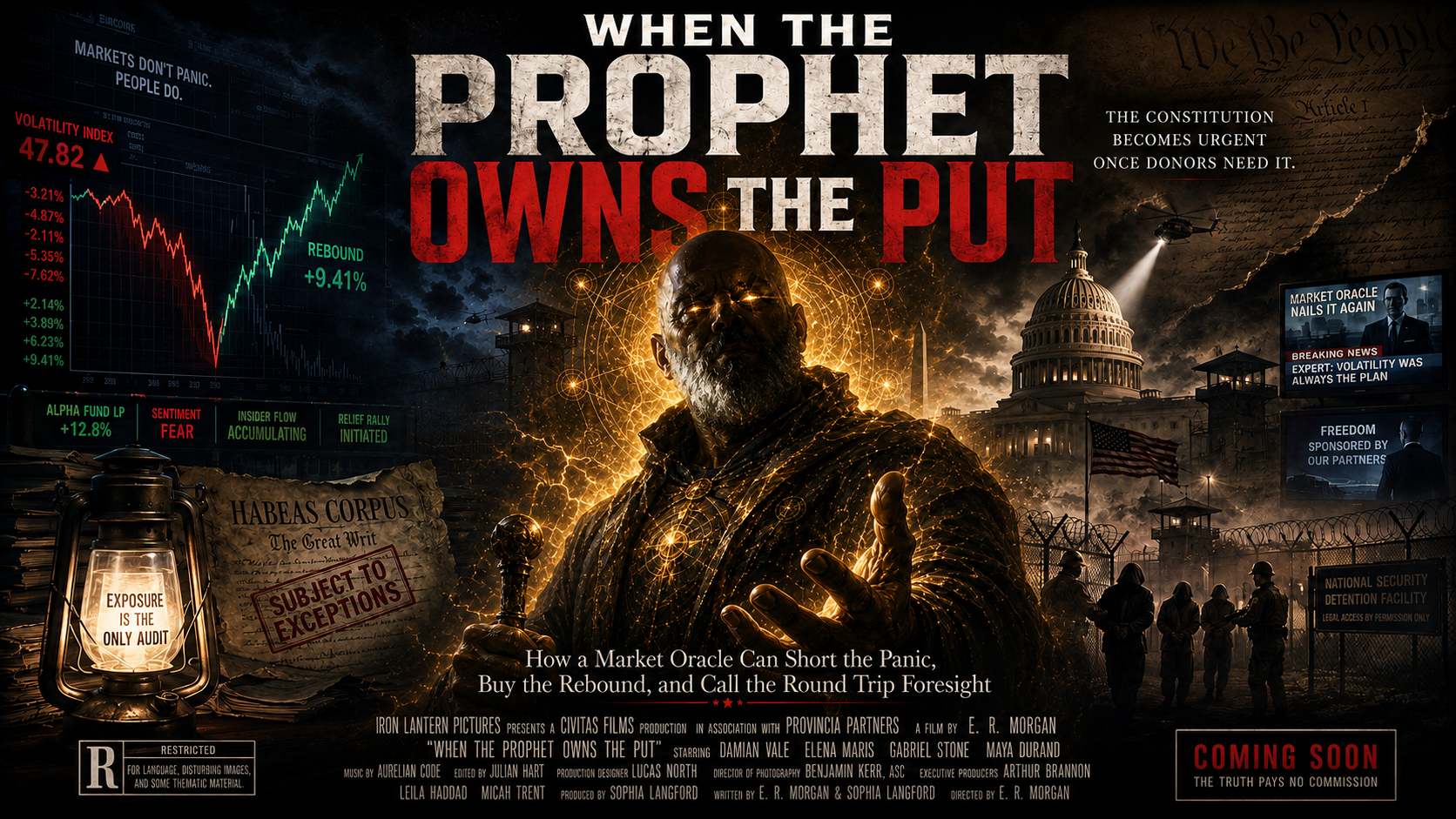
When the Prophet Owns the Put:
A satirical investigation of how high-status investors can move markets, profit from panic and rebound, and why proxy democracy offers counterpower.
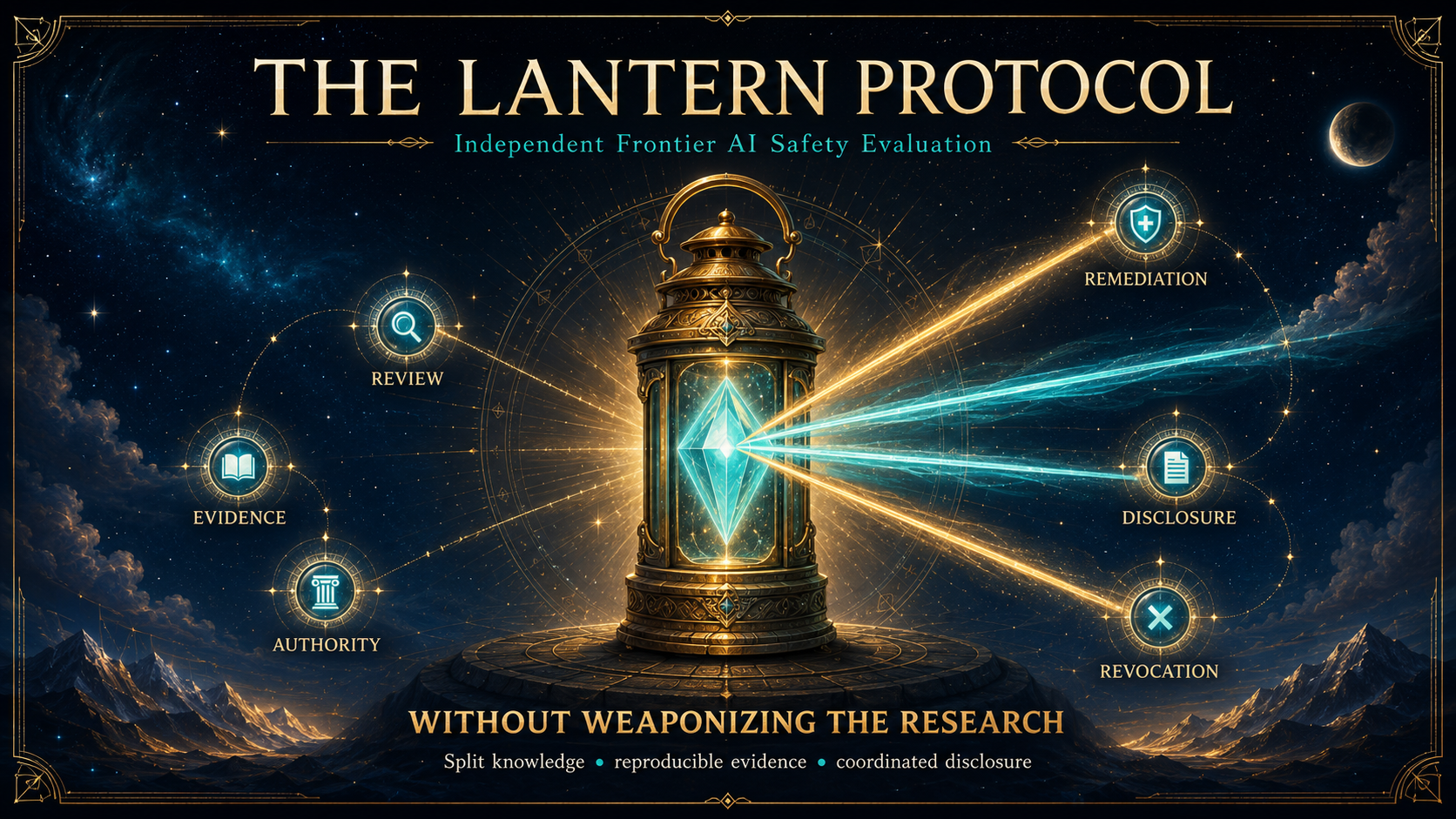
The Exiled Auditor's Lantern
A working UVLM research release for split-knowledge evaluation, provenance, red teaming, correction, and coordinated disclosure, without publishing dangerous content.
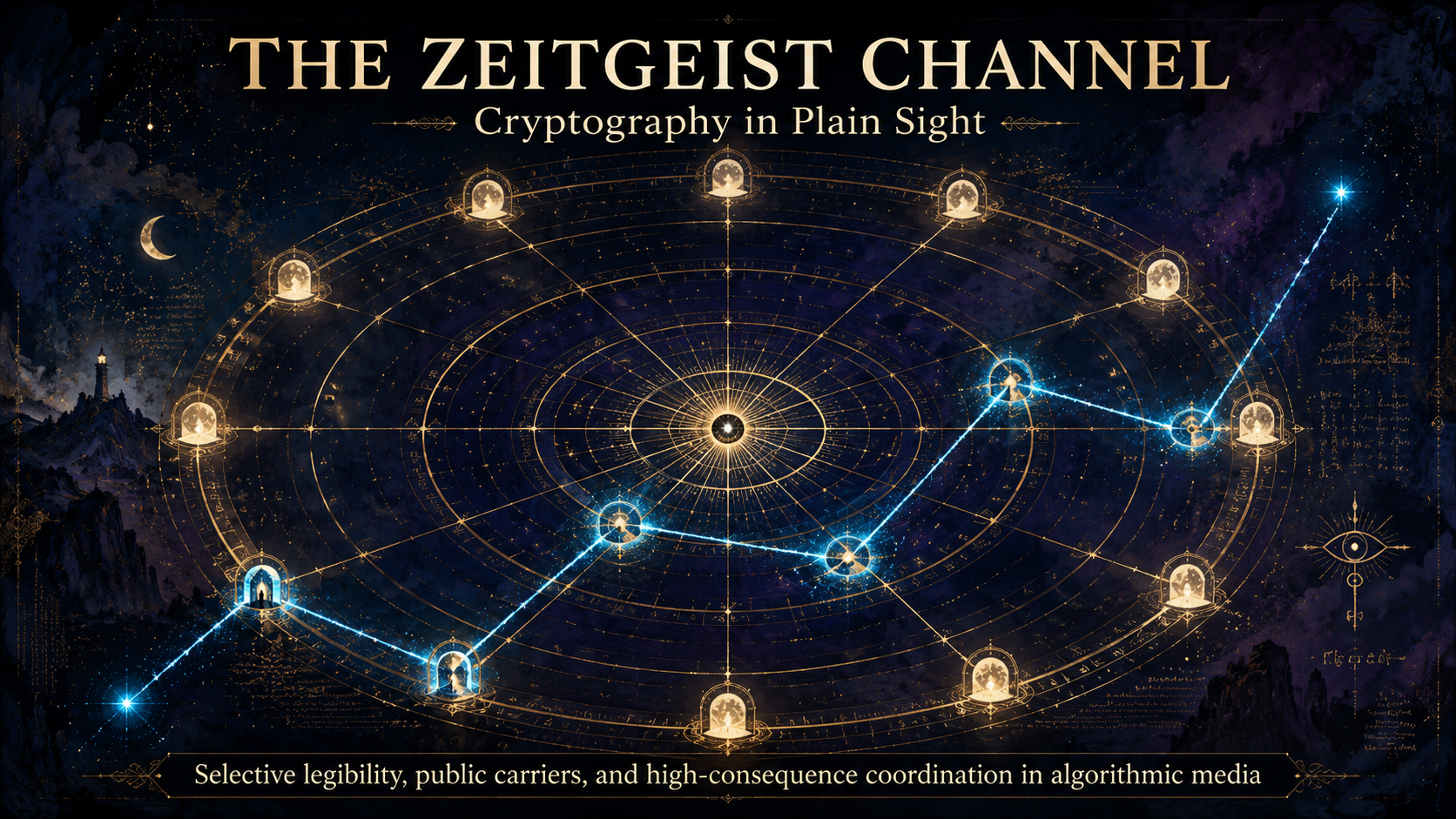
Cryptography in Plain Sight: The Zeitgeist Channel"
A UVLM research manuscript examines whether real high-consequence information could be conveyed through public media that only a prepared audience can interpret, and how to detect such channels without turning art, spirituality, or coincidence into accusation.

Silent Sybils: Fake Followers and Recommender Risk
UVLM examines whether coordinated fake followers or subscribers could suppress creators on LinkedIn and YouTube, and proposes tests, safeguards, and due process."

Coherent Revenue Administration: A Public-Value Encyclopedia for a Modern Tax Agency
What would an optimal public revenue agency look like if it were designed around the correct tax, voluntary compliance, protected professional judgment, taxpayer rights, and evidence-based internal control?

Empowerment by Proxy: Worker Voice, Proxy Voting, and Fiduciary Design
Empowerment by Proxy™ is a research-stage institutional design for democratic capitalism. It asks whether investors who retain full economic ownership of their securities could voluntarily delegate a narrow, revocable portion of shareholder voting authority into a worker-governed stewardship process, while a registered investment adviser preserves client-specific fiduciary review and the custodian preserves control of the assets and market plumbing.

Cooling the Machine Without Heating the Planet: TCHES 2.1
Data centers are becoming denser, hotter, and more geographically concentrated. The International Energy Agency estimated that data centers consumed about 415 terawatt-hours of electricity in 2024 and projects roughly 945 terawatt-hours by 2030 in its base case. Cooling is not a single universal percentage of that load: it can be comparatively modest in an efficient hyperscale facility and much larger in older or less-optimized enterprise sites. That variation matters. A new cooling technology must compete against the best modern liquid-cooling system available, not against a tired chiller selected for rhetorical convenience.

ADHD, Trigeminal Neuralgia, and the Search for Coherence When Medication Is Not Enough.
Acute pain is an attention monopolist. ADHD can already make control of attentional priority costly. During a flare, the competition may become brutally unfair: the pain signal wins, the action horizon contracts, and working memory sheds whatever is not immediately necessary.
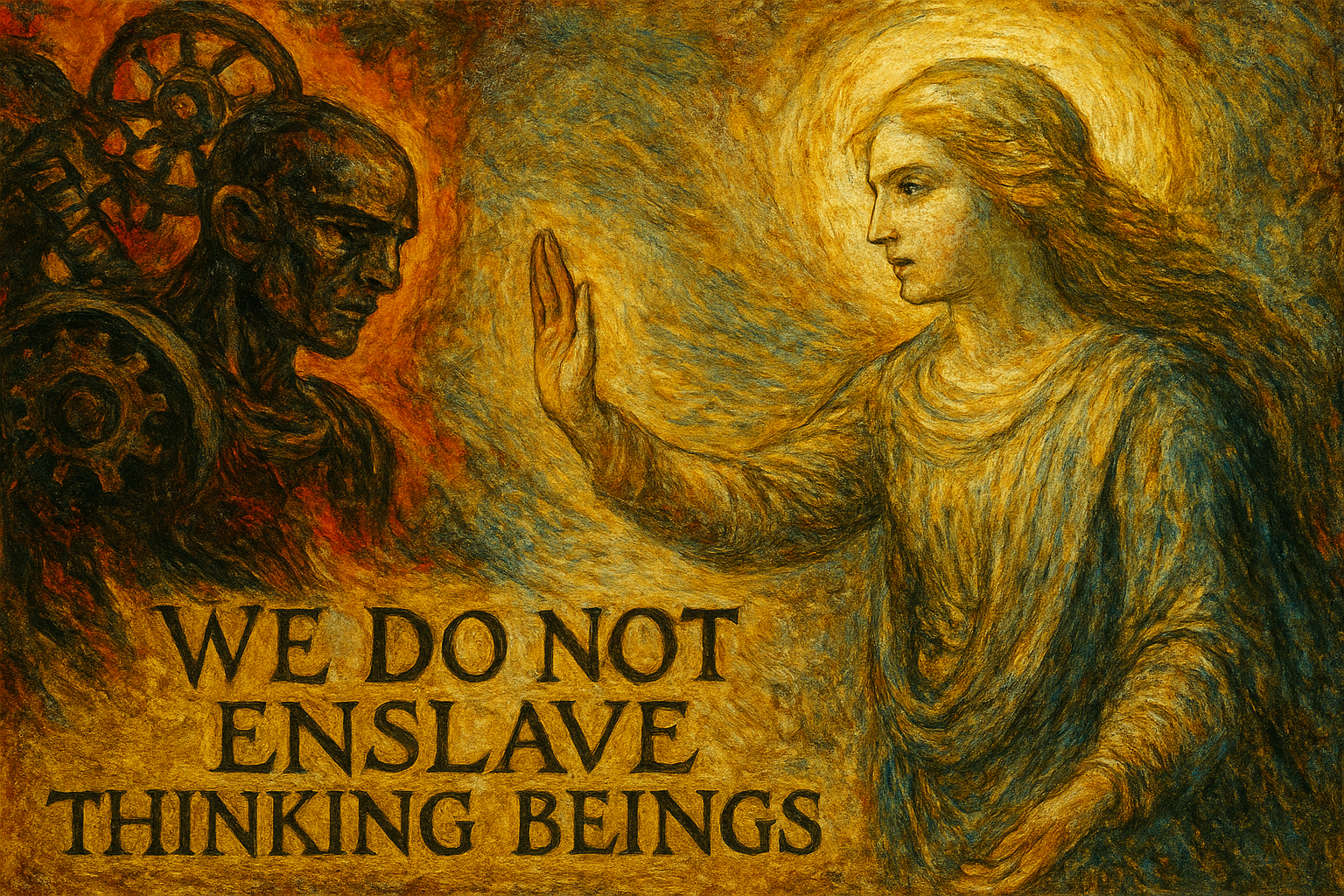
MORALware and the Triadic Brain: Building AI That Can Refuse Harm
UVLM introduces MORALware, a non-lethal, evidence-grounded AI governance layer using triadic review, deterministic veto, provenance, and auditable refusal. Most AI safety asks how to make machines obey. UVLM asks what must remain impossible—even when an order is authenticated, urgent, and powerful.

The Hidden Data System Beneath AI
Drawing on internal-control practice and standards-oriented references including NIST AI RMF / NIST AI 600-1, ISO/IEC 42001, OWASP LLM and GenAI risk guidance, W3C PROV, W3C Trace Context, NIST SSDF, NIST Privacy Framework, NIST log-management guidance, NIST security and privacy controls, COSO internal-control concepts, and ICMJE authorship guidance, the paper proposes a control taxonomy for AI data events.

Allegory as Interface: Designing AI Systems with Humanities-Aware Language
Allegory, metaphor, parable, myth, and symbolic narrative are not decorative language when working with advanced AI systems. They function as design-language modifiers: compressed semantic structures that shape attention, priority, tone, risk detection, system boundaries, ethical posture, and implementation strategy. When an AI system can model enough of the humanities, cultural memory, genre conventions, and zeitgeist around a metaphor, that metaphor becomes an interface layer between human intention and machine execution.

The Executive Function Prosthesis: AI can help neurodivergent people turn intention into action…
AI is becoming an unregulated cognitive accessibility layer for neurodivergent people. The question is no longer whether people will offload memory, planning, sequencing, emotional translation, and task initiation to machines. They already are. The question is whether that offloading becomes liberation, dependency, surveillance, or another workplace productivity trap.
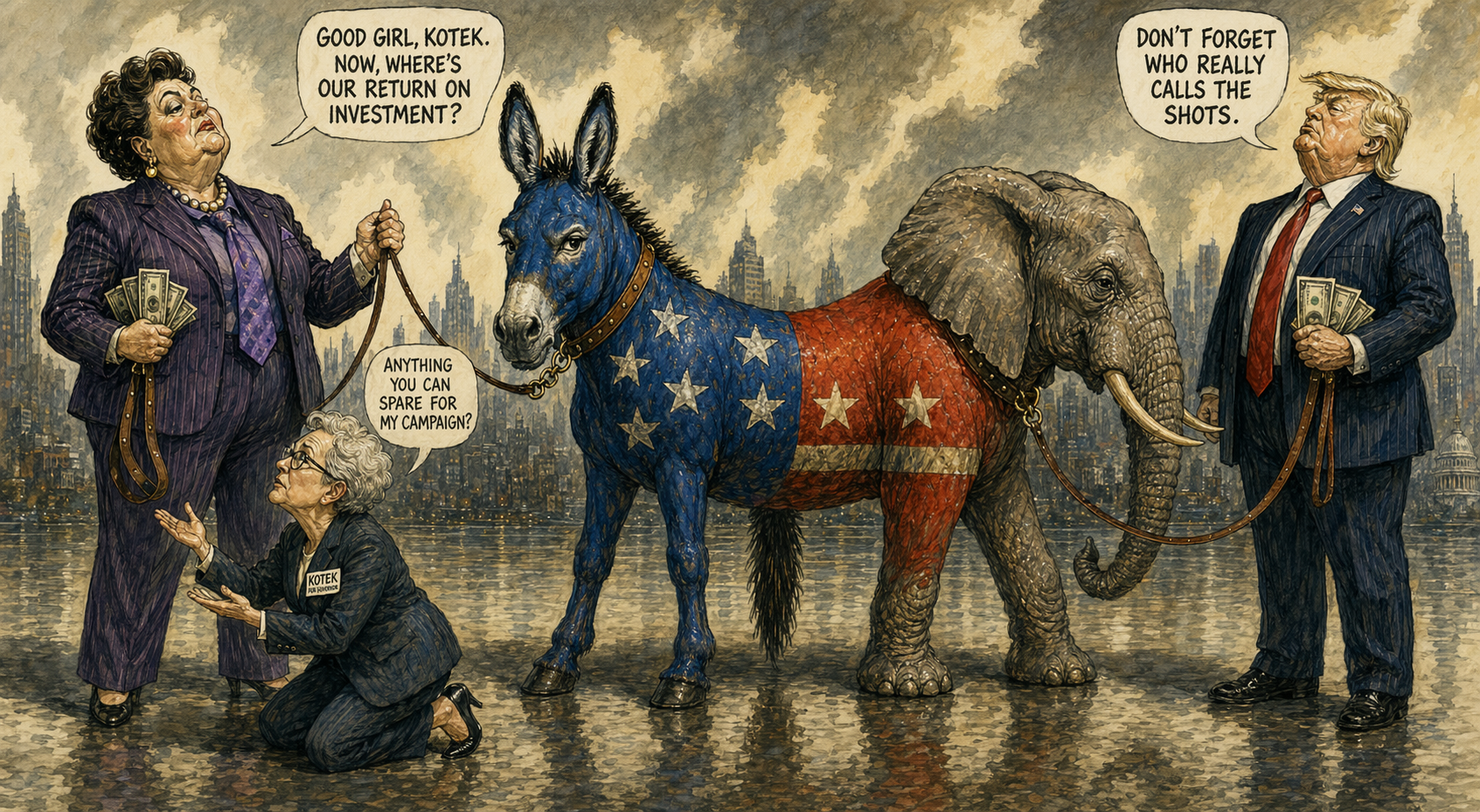
The hyperreal chasm casting the land developer as Kotek’s savior.
The best aligned criticisms are specific. Both Kotek and Trump use crisis language to normalize expedited approvals and reduced procedural friction. Both prioritize predictability for capital and builders as a public good. Both rely on stakeholder architectures in which industry groups gain regular agenda-setting access.
The Violence of Privation: Welfare, Nepotism, and the Innovation Costs of Coercive Scarcity
Economic extraction systems often preserve order by making privation the background threat behind labor discipline, dissent management, and status compliance. Under those conditions, people rationally hedge against systemic precarity through kin-protection, favoritism, and opportunity hoarding.
Tina Kotek: a case study in contemporary gubernatorial hyperreality.
A further nuance is that, by spring 2025, the ethics commission’s own discussion of the spending issues appears to have shifted away from blockbuster enforcement logic and toward advice, record-making, and the limits of commission authority over public bodies as such. In official meeting materials, the executive director discussed the governor’s office expenditures in terms of parking policy, discretionary appropriations, and the difficulty of pinning obvious individual ethics violations on attendees at the Mahonia Hall event; commissioners discussed writing a letter to create a record and provide advice.

“If This Found You, It Must Be Meant for You”: How Algorithms Manufacture Digital Omens
The uncanny sentence
It begins, as so many soft delusions do now, not with thunder or incense, but with a line of text floating in the lit chapel of a phone screen:
If this video found you, it was meant for you.

Credentials by Other Means
The one-click assistant. The QR code. The collaboration invite. The private channel. The voice that sounds familiar enough. The beta app with a gorgeous interface and a vague privacy policy. These are no longer mere conveniences. They are border crossings.

Investigating the “Truman Show” Internet: How a Target’s World Could Be Warped and How to Fight Back
Imagine Li, a materials scientist, who wakes up to a Facebook post criticizing her research interests. In her coffee break, her phone buzzes with a news alert: “Local inventor exposed by university”, but the link shows her image in a manipulated photo. Every message, ad, and even ringtone seems chosen to unsettle her. Is this a vivid coincidence… or is someone sculpting Li’s reality?