

Why I Do What I Do, Even When It Hurts
I do what I do because I still believe another kind of system is possible: one in which intelligence is recognized rather than disciplined into sameness, evidence remains connected to its origins, care is treated as infrastructure, and power is not excused from explaining itself.

Small by Design
The standalone application is the whole vehicle. The thin module is the tested brake-and-control unit. CoherenceLattice is the shared chassis, instrument panel, event recorder, and governed operating system into which that unit plugs.
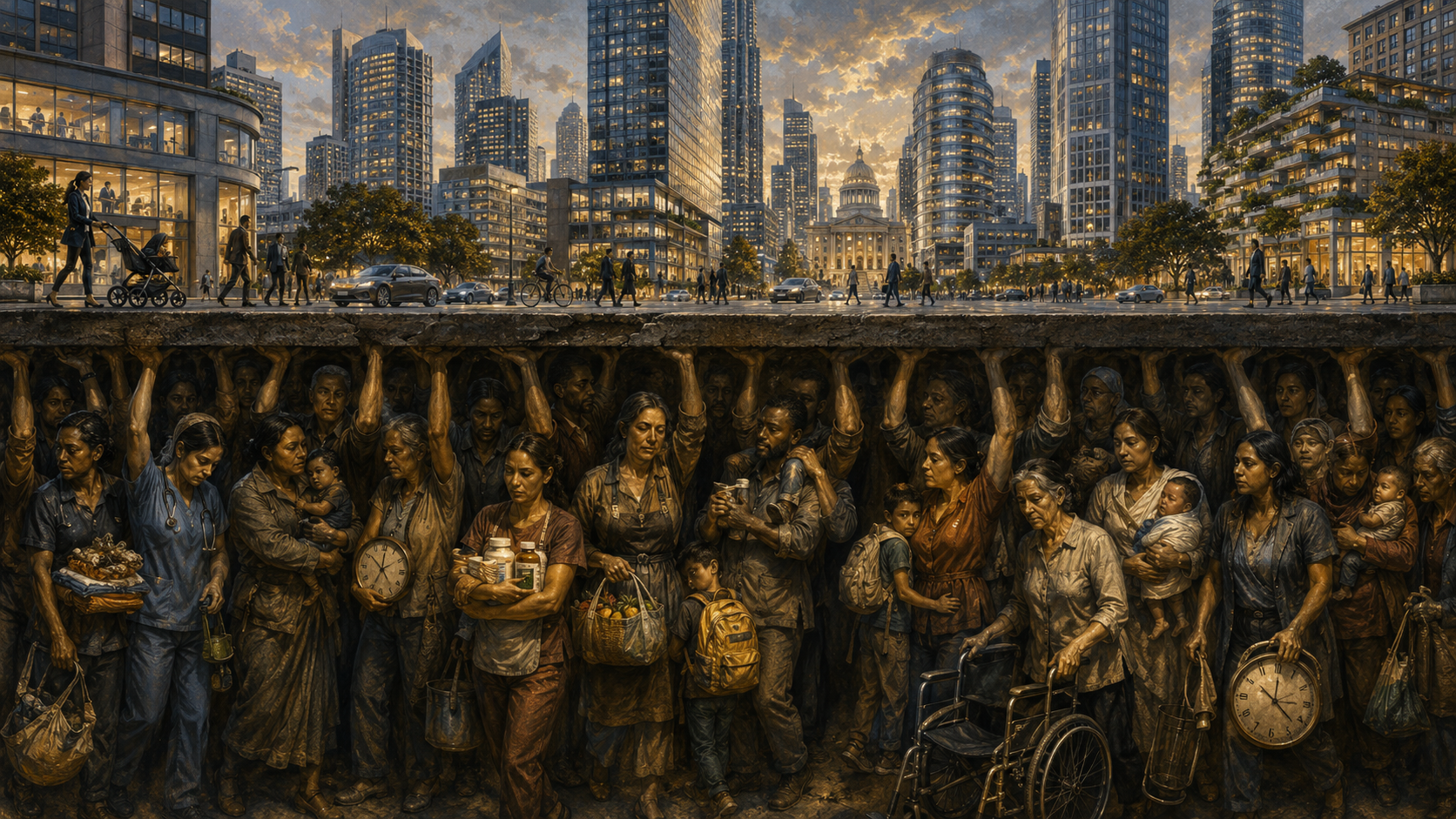
Care Is Infrastructure, Not Sentiment
Kindness can animate a humane society, but it cannot carry one alone. Care becomes reliable when systems encode it into rights, staffing, access, maintenance, privacy, and accountability.
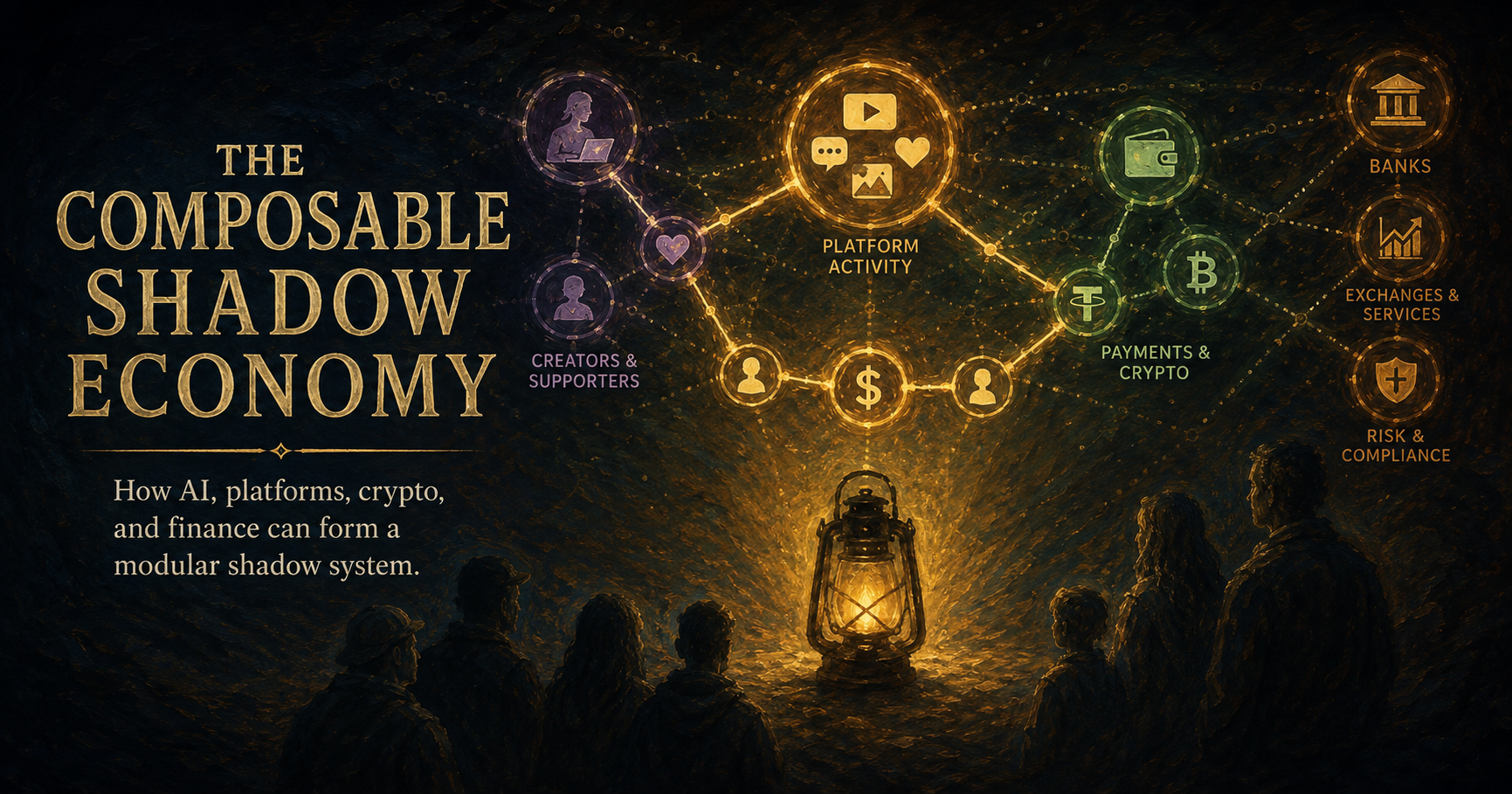
The Composable Shadow Economy
A composable shadow economy is a modular financial-crime architecture in which identity services, AI content, account farms, platform monetization, banks, virtual assets, shell entities, laundering services, and coerced labor can be joined while ordinary evidence holders see only bounded parts of the chain.
The Cost of Keeping One’s Name
What does it cost to remain honorable when institutions reward omission, invert reputations, and turn conscience into infrastructure? This long-form essay follows that burden through lived experience, philosophy, global traditions, and a practical appendix of internal controls.
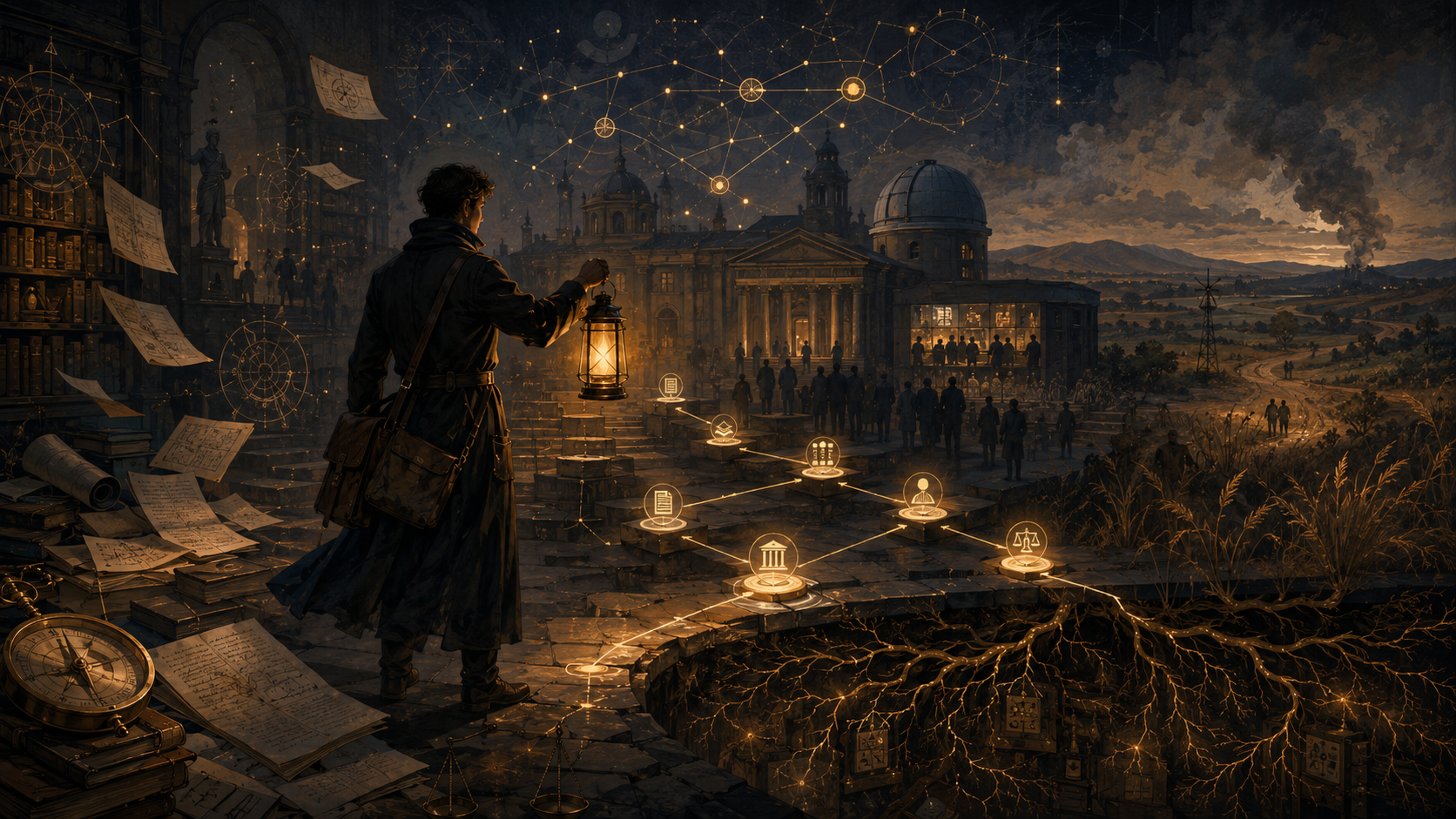
The Governed Lantern: How to Study Hidden Coordination Without Teaching It, or Inventing It
A public square is not only a place where people speak. It is also a routing system. A post may exist without becoming eligible for recommendation. It may become eligible without entering a candidate set. It may enter a candidate set without being placed. It may be placed without rendering. It may render without being noticed. It may be noticed without being understood. A later event may follow without having been caused by any of it. This sequence is ordinary enough to be invisible. It is also where a serious defensive question begins.

Epistemic Civil Defense: How Communities Can Protect Shared Reality Without Policing Belief
Disaster preparedness depends on more than roads, radios, hospitals, and emergency personnel. It also depends on whether people can determine what happened, which information is current, why a source deserves trust, and how a correction will reach everyone who received the wrong version. Epistemic civil defense is the public infrastructure that protects that capacity—without turning uncertainty into suspicion or public safety into a ministry of truth.

The Fourth Estate’s Servant Entrance
This essay distinguishes the legitimate defense of creative labor from the conversion of that defense into a professional moat. It does not claim that every critic of generative AI is economically self-interested, or that AI is inherently emancipatory. The personal episode described below reflects the author’s recollection and interpretation; no former collaborator is named. “Idea People” and “Idea Helpers” describe overlapping production roles, not permanent classes of intelligence, talent, or human worth.